

Volcano hikes, lakeside villages, farm breakfasts & unforgettable sunrises
We came to Guatemala chasing volcanoes and found so much more — steaming pupusas, mirror-still lakes, handwoven textiles, sunrises above the clouds, and banana bread that still haunts our dreams. In just over a week, we covered some of the country’s most iconic stops: Antigua, Lake Atitlán, and the fiery trail to Volcán de Fuego. We avoided the beaches (on local advice), skipped Tikal this time (flights and timing), and focused on the highlands.
If you’re looking for a one-week itinerary packed with culture, adventure, and soul-stirring views — this is it.
Trip Summary
We traveled in March, just before Semana Santa — something to keep in mind, as the Easter season fills towns like Antigua with parades, people, and street closures. Here’s how we paced it:
- Day 1: Guatemala City
- Day 2: Antigua Guatemala
- Days 3–6: Lake Atitlán
- Days 6–7: Acatenango overnight hike
- Day 8: Departure
Day 1 — Arrival in Guatemala City
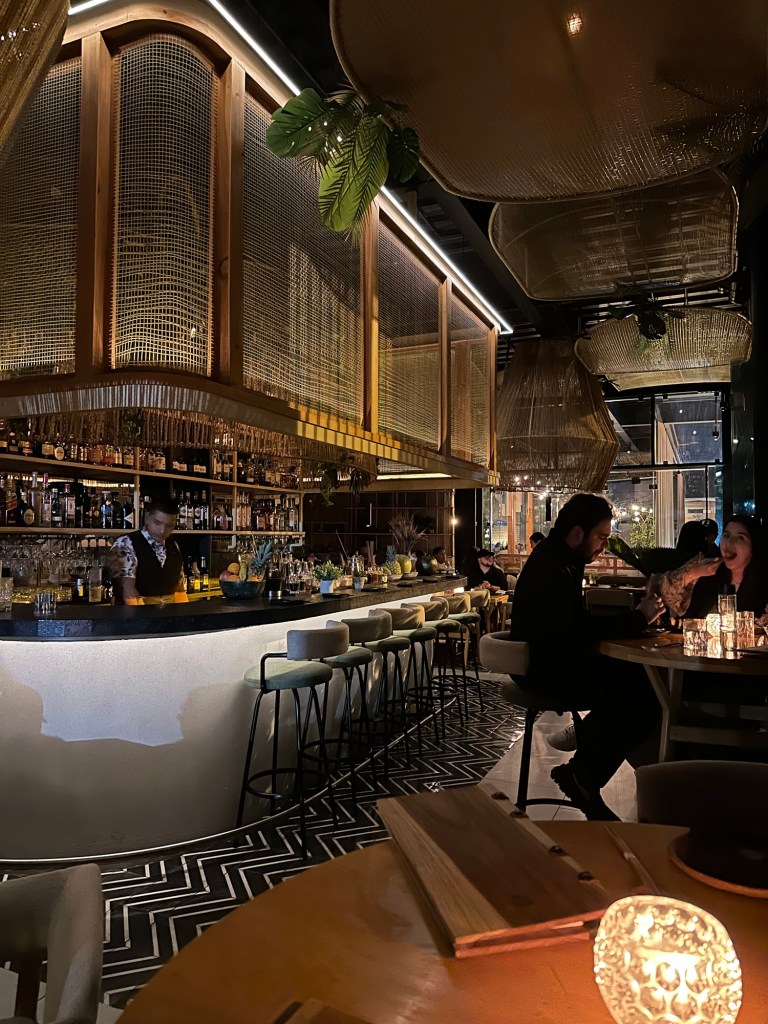
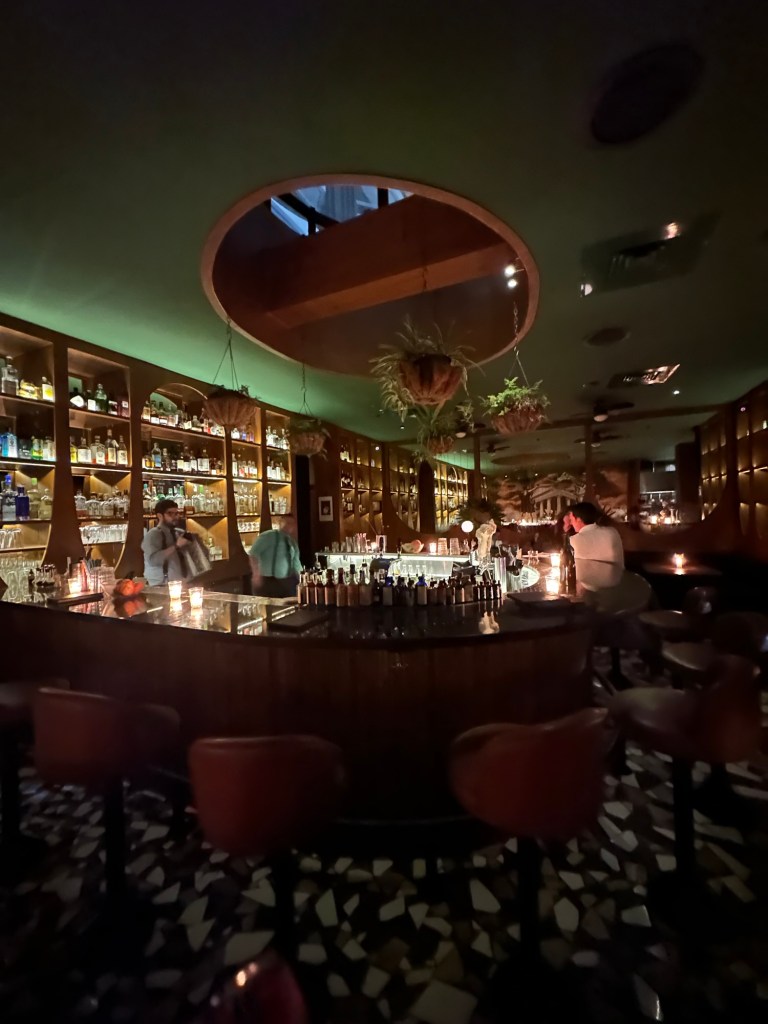
I landed late and immediately went out for dinner with a friend from Guatemala for some good sushi. He then took me to Casa de Cocteles Minerva, a sleek speakeasy where we had great cocktails – an unexpected and welcome first taste of the city.
A few things to note: Guatemala City isn’t very walkable, and locals themselves avoid moving around on foot due to safety concerns. Even for short distances, we used a car. Parking is usually in guarded, closed lots – a sign of the city’s contrasts and complexities.
The layout of the city is confusing; zones are numbered but don’t form a clear “center.” One of the safest and most convenient areas to stay is surprisingly near the airport.
Day 2 — Colonial Charms in Antigua
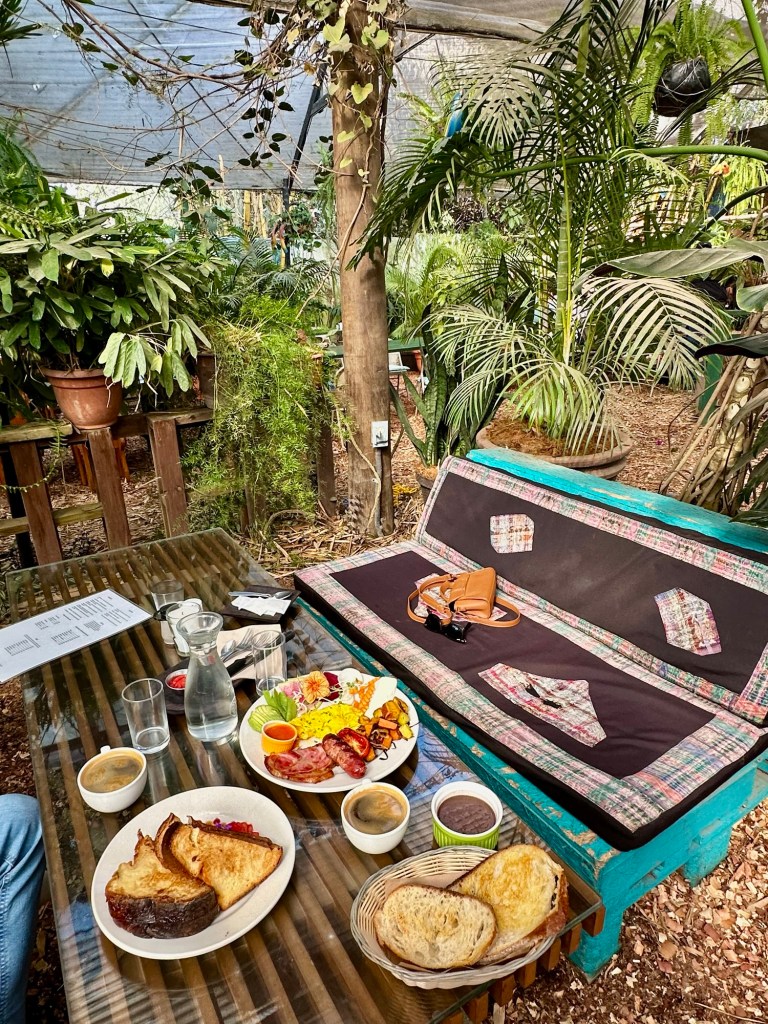
We left early for Antigua, about an hour’s drive through the hills. Breakfast was at Caoba Farms, just outside town — a beautiful farm-to-table café inside a greenhouse where everything feels lush and serene. The food is all locally sourced, the coffee grown nearby, and the vibe is slow and grounding. A perfect way to start the day.
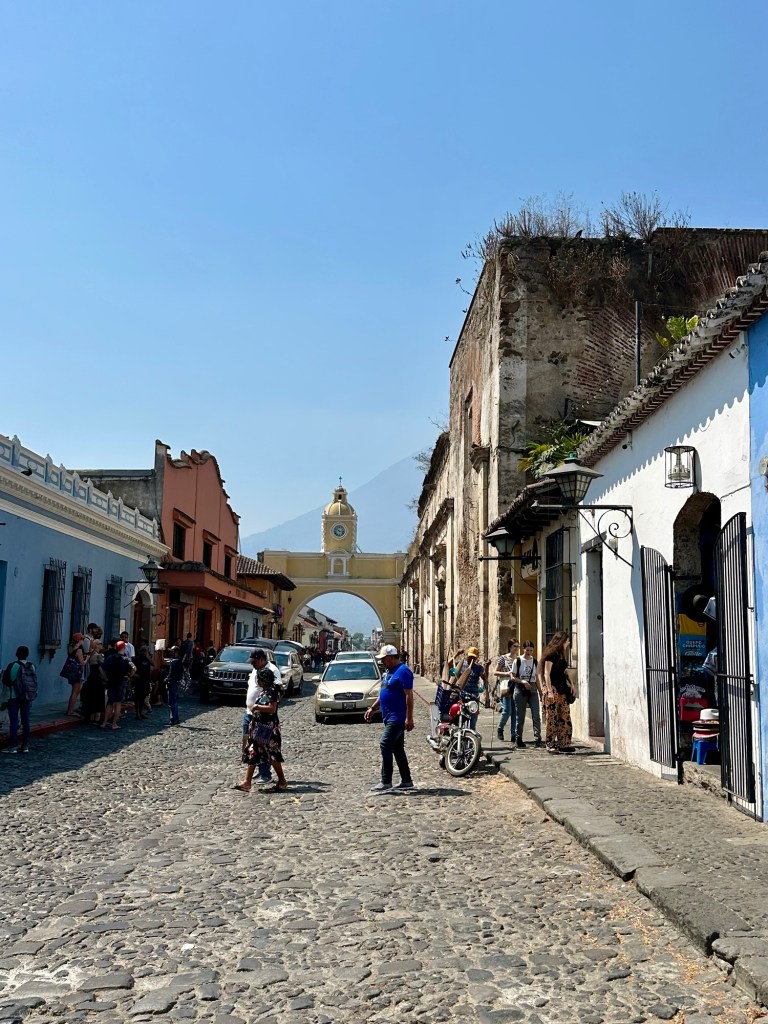
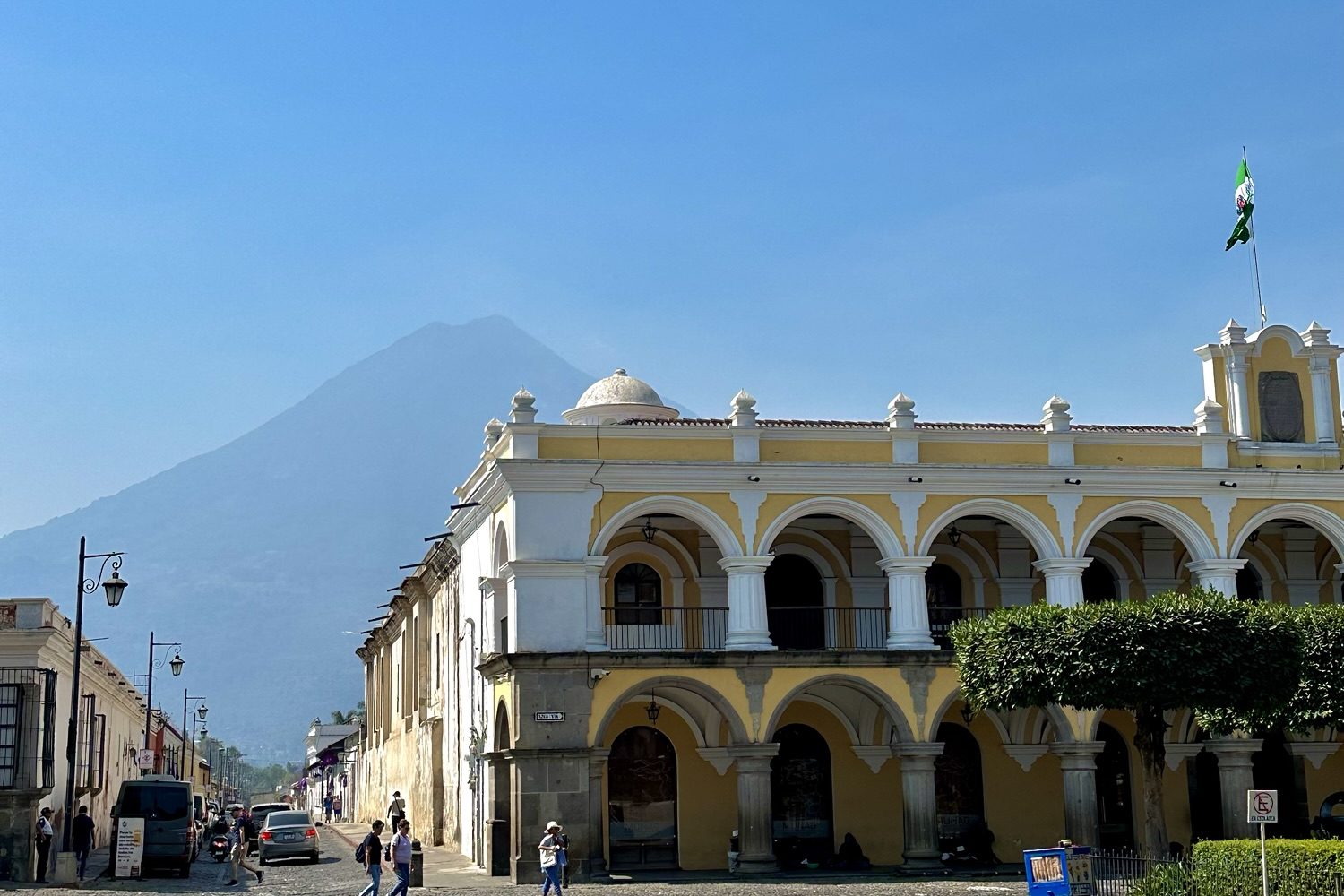
Antigua itself is a small colonial city surrounded by volcanoes. Cobbled streets wind past pastel walls, baroque churches, and leafy courtyards. It’s entirely walkable and full of hidden gems:
- The Santa Catalina Arch is the most photographed spot, but the magic is in the wandering.
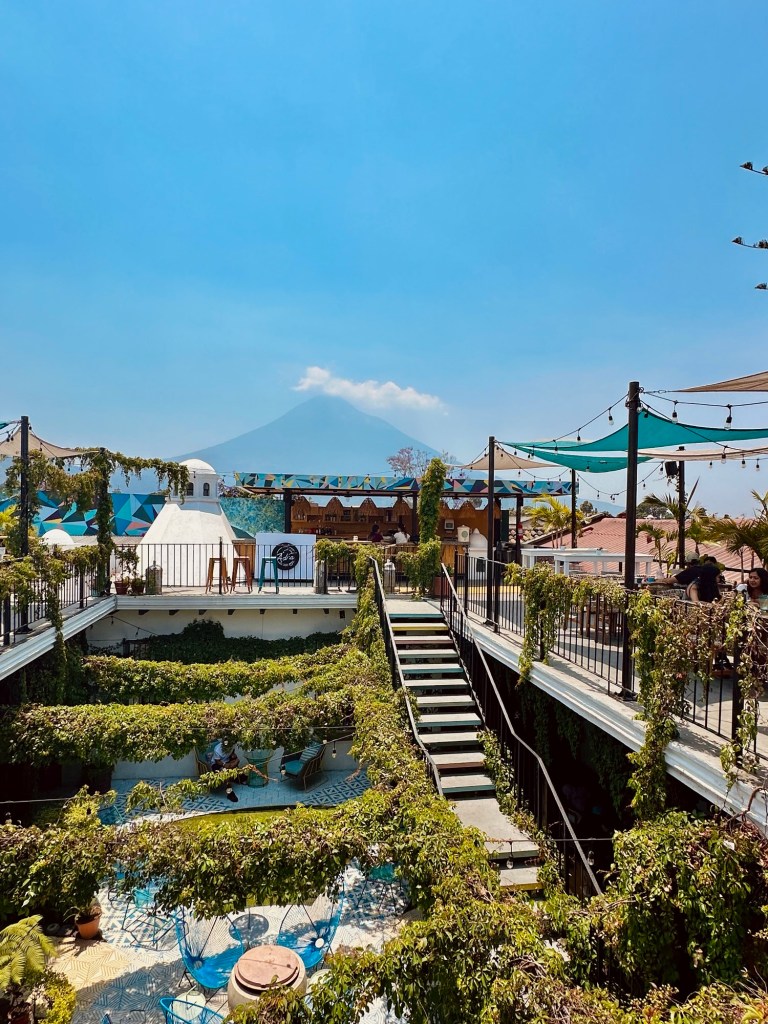
- Cervecería El Bosque is a botanical beer garden with live music — we went for sunset drinks.
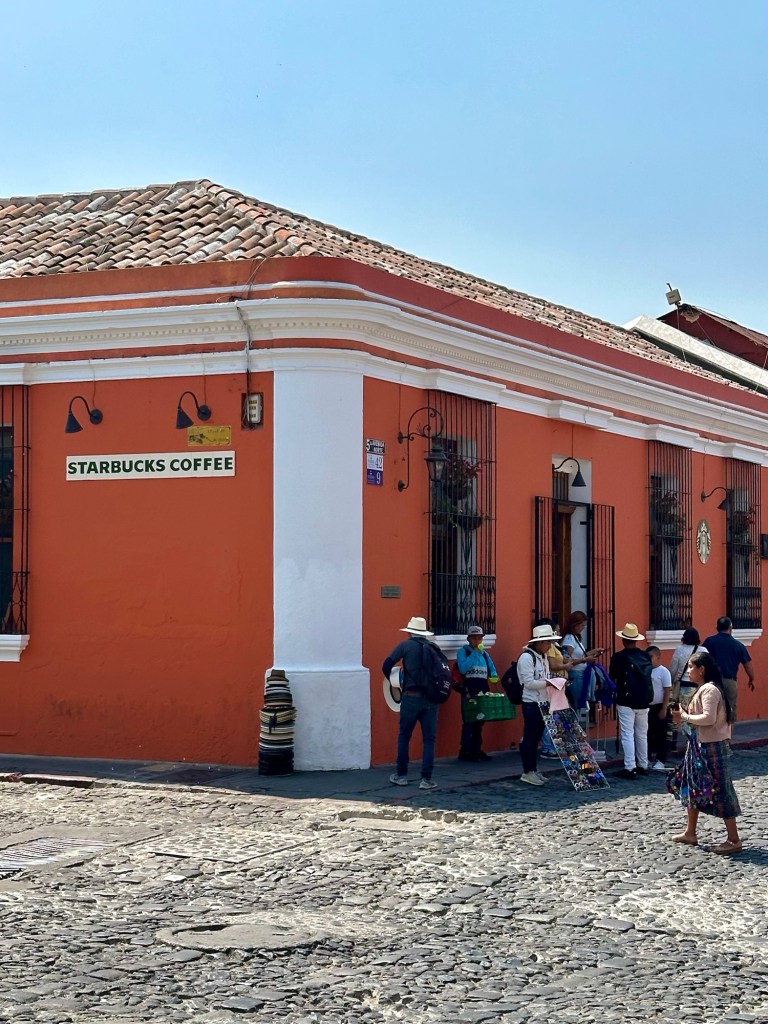
- Even the Starbucks and McDonald’s are beautiful here, built inside old colonial buildings with tiled patios.
- Don’t miss the Ruinas de Santa Clara, with dramatic arches and bougainvillea.
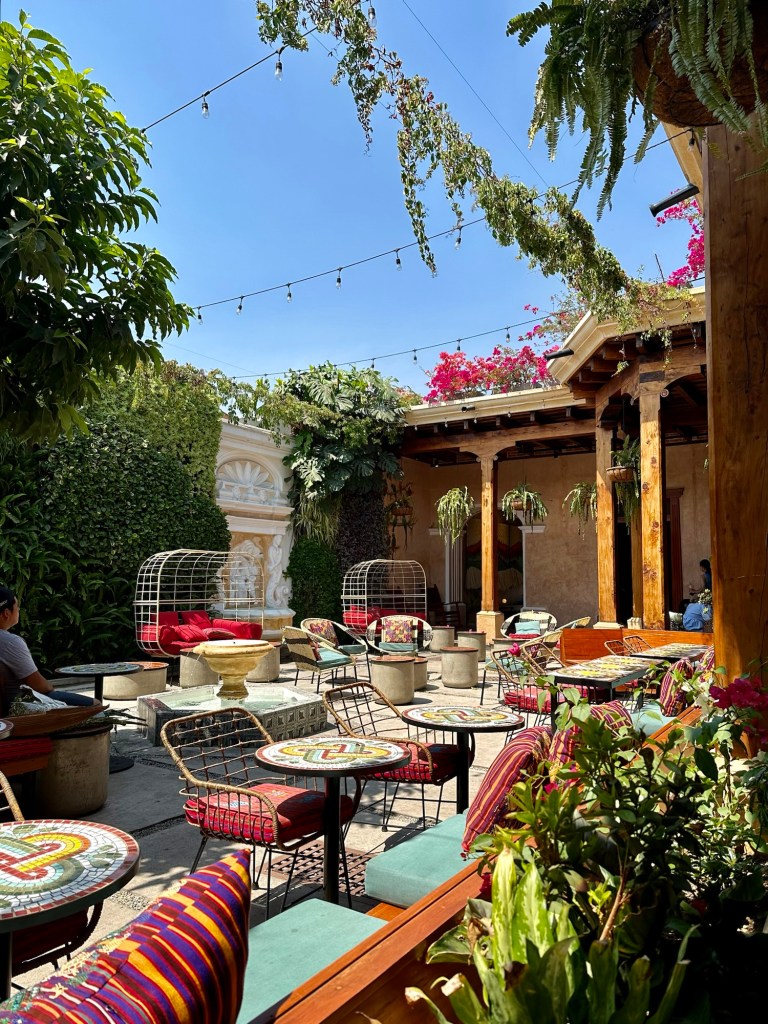
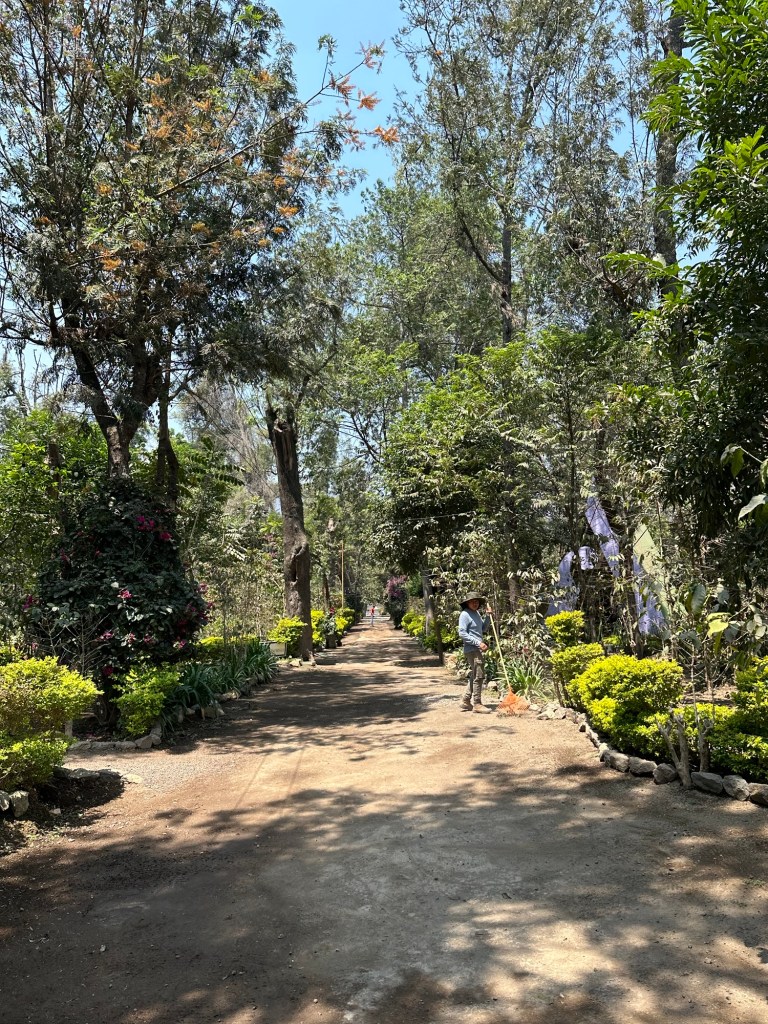
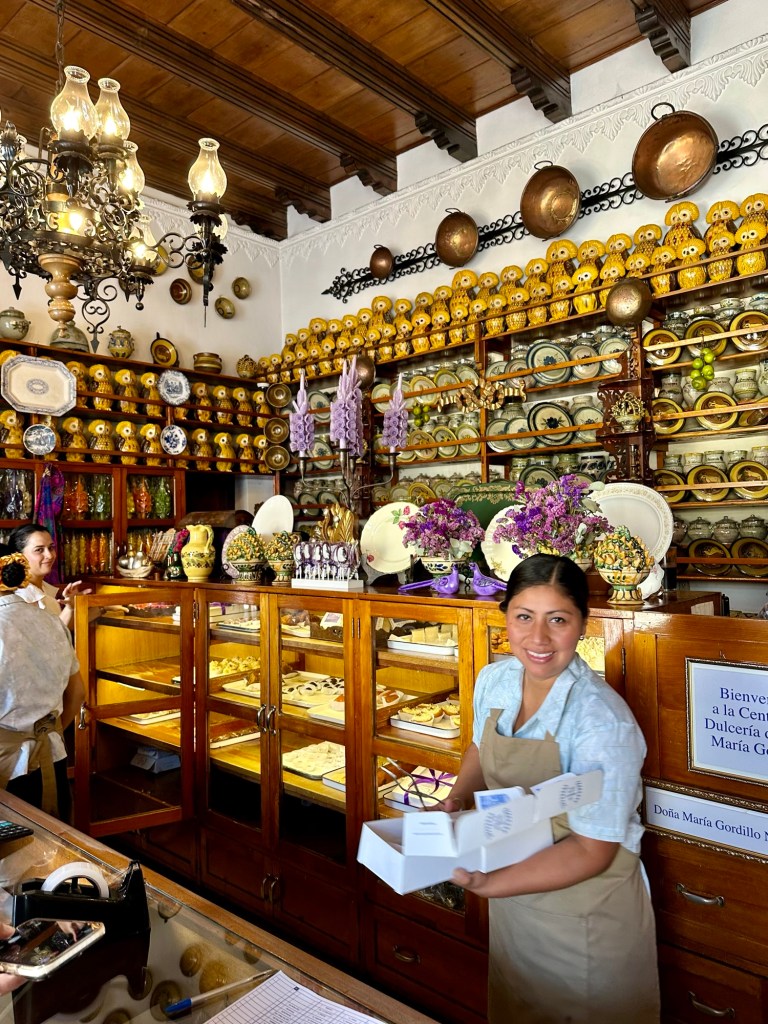
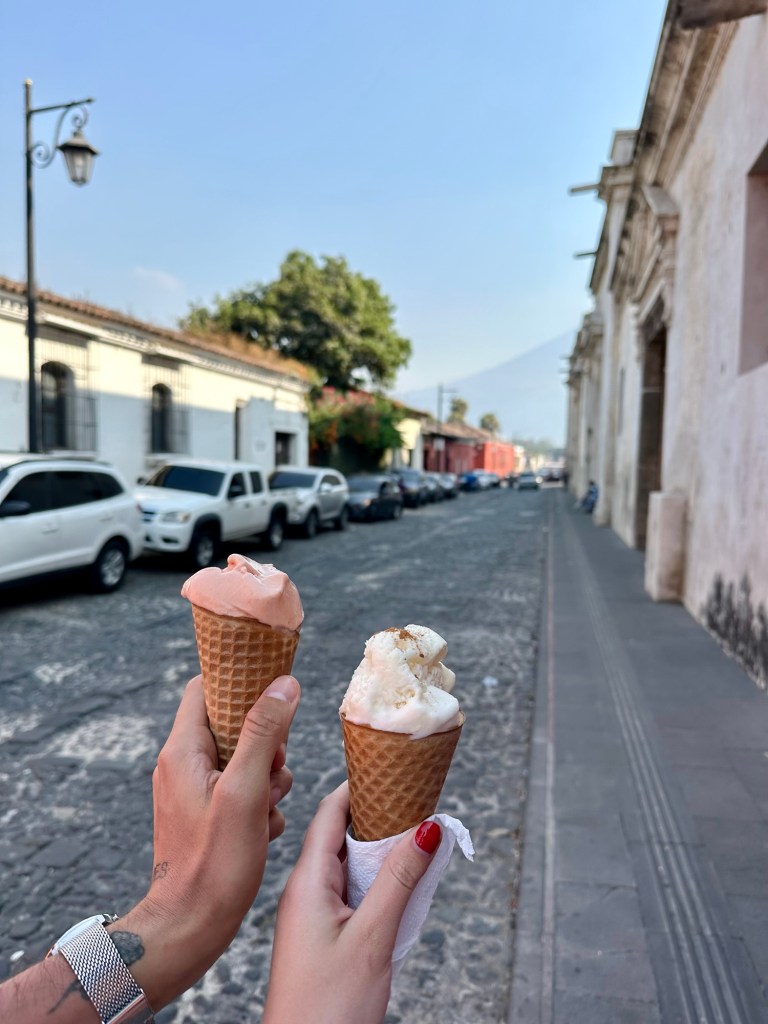
Lunch was in Saberico, a garden restaurant tucked behind an unassuming shopfront — colorful tables, birds chirping, and fresh plates. Later, we had ice cream at La Tienda de Doña Gavi, which offers odd, local flavors you won’t find elsewhere.
Antigua can be done in a day if you’re short on time, or used as a base for hikes like Pacaya or Acatenango. During Semana Santa, streets fill with religious processions — beautiful but very crowded. Plan accordingly.
Day 3 — Toward Lake Atitlán
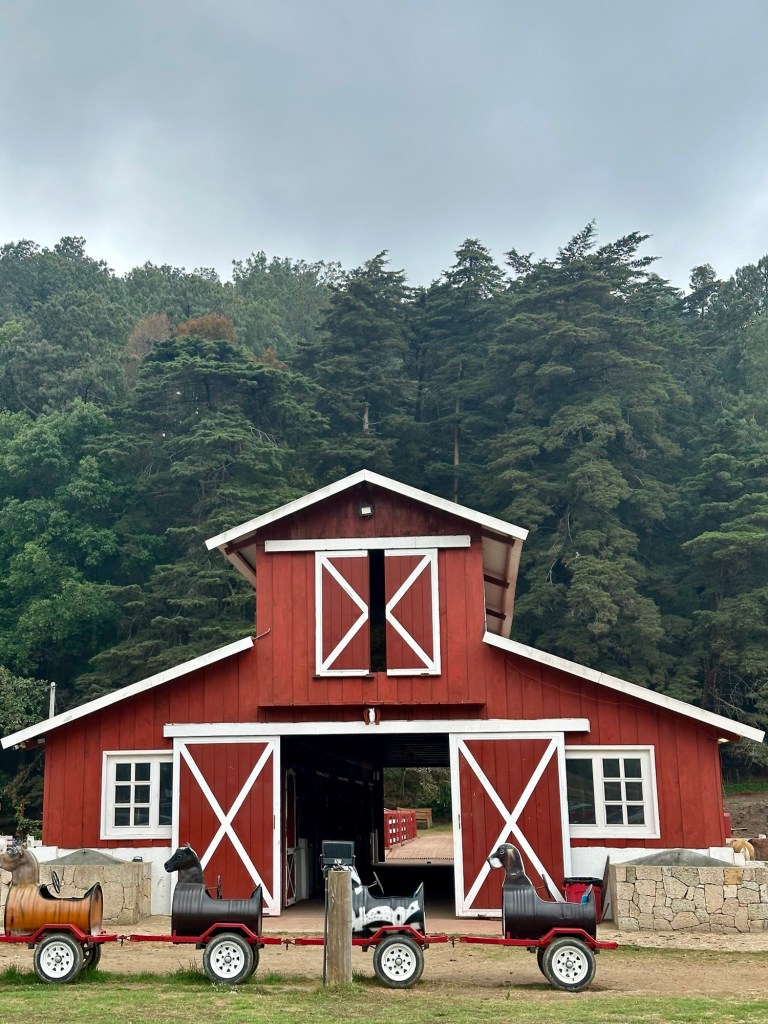
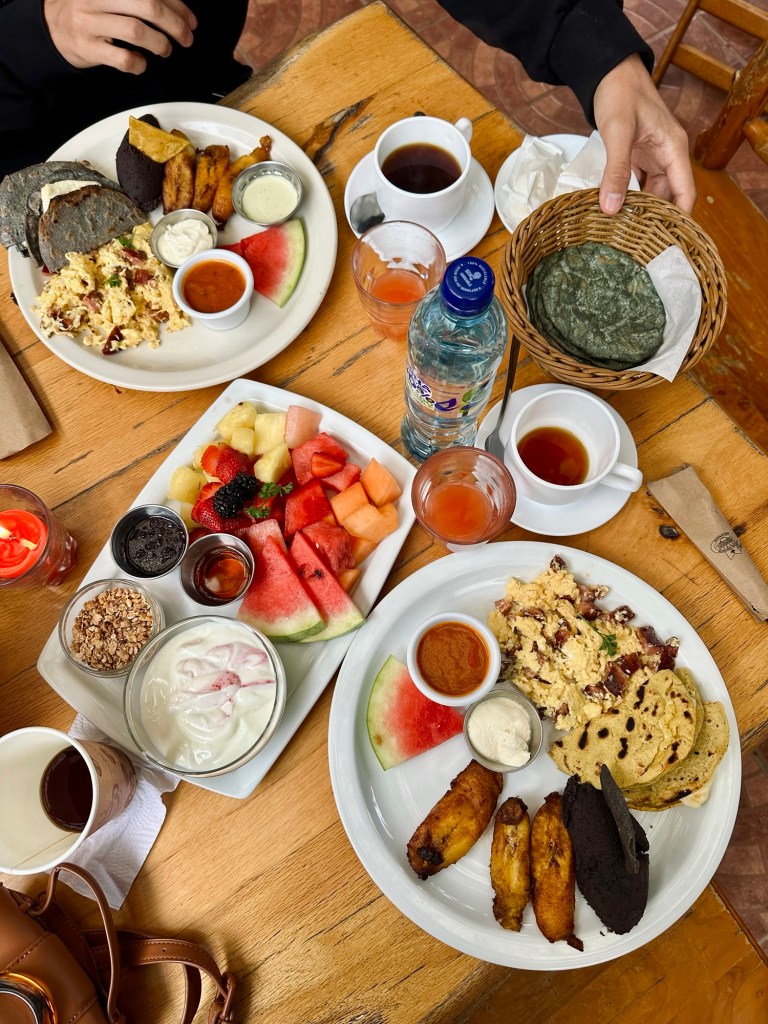
We left early to reach Lake Atitlán, but stopped for breakfast at Rincón Suizo Farm, a mountaintop spot where Guatemalan families go on weekends. The air was cool, the portions generous, and the atmosphere lively. Expect to wait if you go on a Sunday, but it’s worth it.
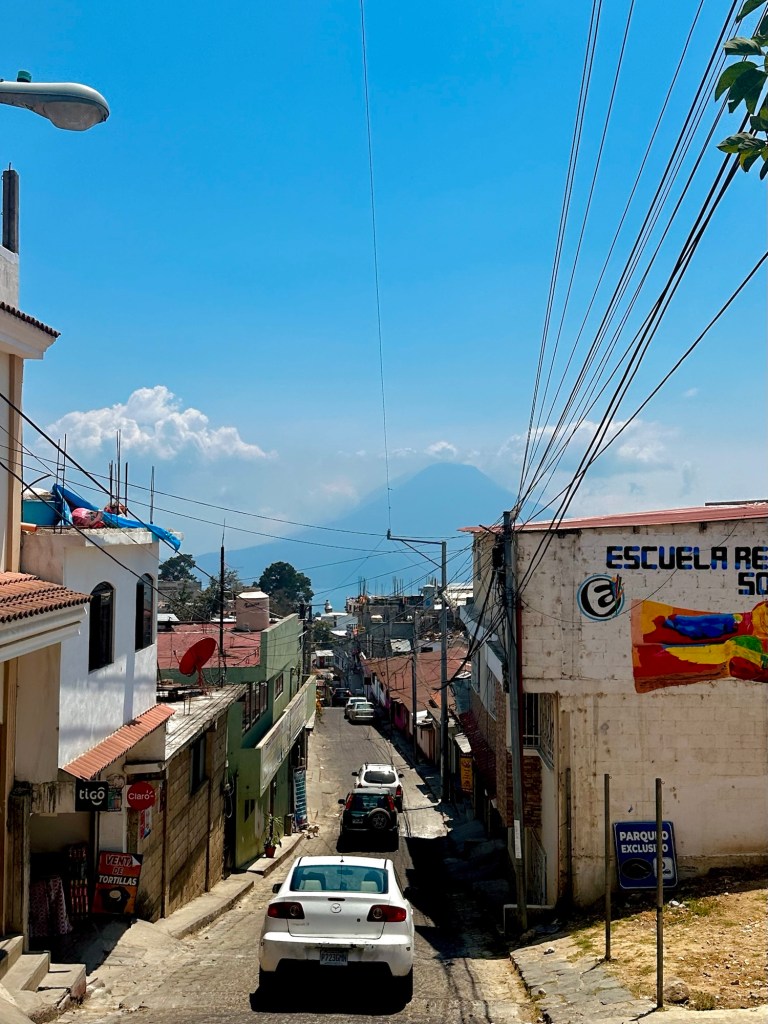
After about 4 hours of winding roads, we arrived in Panajachel, the main town on the lake. It’s the transport hub, with boats leaving to all the other villages. There’s a long street of food vendors, small bars, and two beach clubs for nightlife. We stayed in an Airbnb with friends, but dropped by Selina Panajachel for drinks by the pool — it has a nice, social energy even if you’re not staying there.
Dinner was pupusas from a Salvadorian street vendor — thick, cornmeal tortillas stuffed with cheese or beans, grilled to order. We ate standing up, watching the sky darken over the water.
Days 4–5 — Exploring the Lake
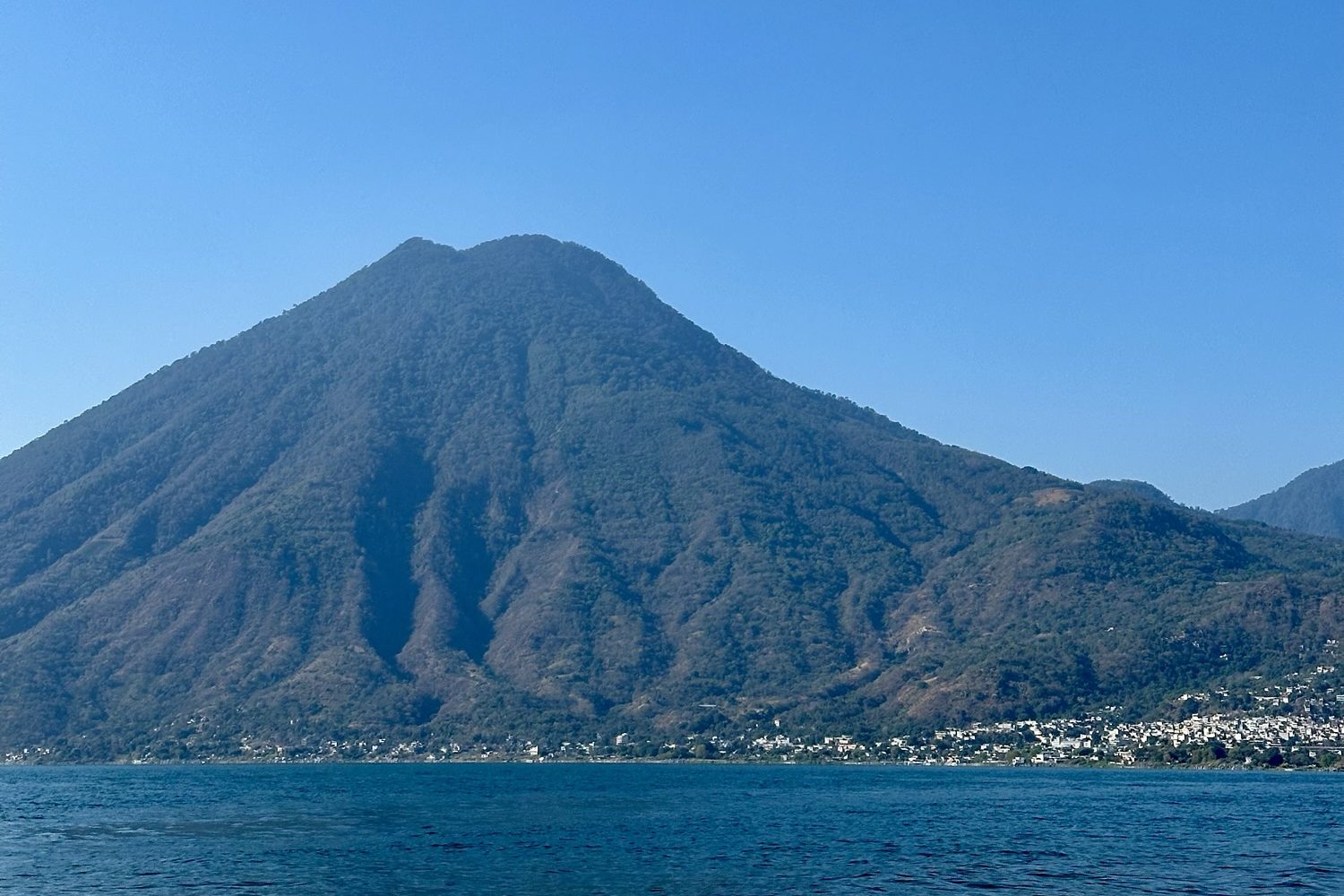
We spent the next couple of days visiting villages around the lake by public boat. You can also hire private lanchas, but they’re pricier. There are seven main towns worth visiting — each with a distinct personality. We visited the two most famous ones:
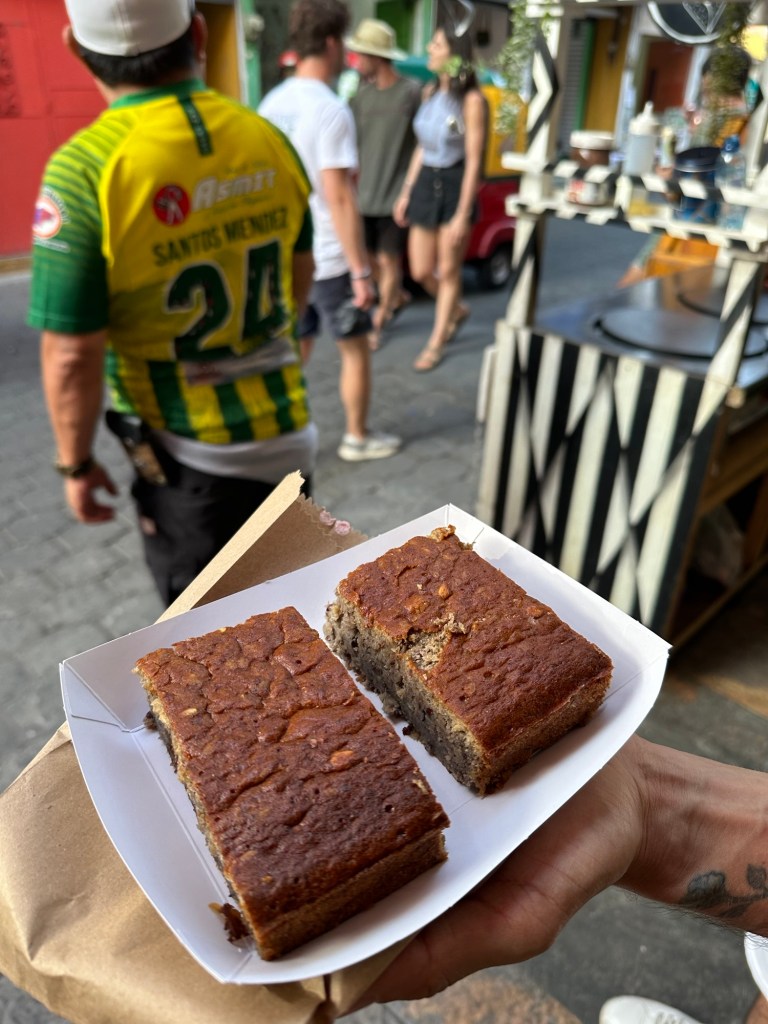
San Pedro is laid-back and a backpacker magnet. We found the best banana bread of our lives in what looked like a random, quiet café — the kind of travel surprise you never forget.
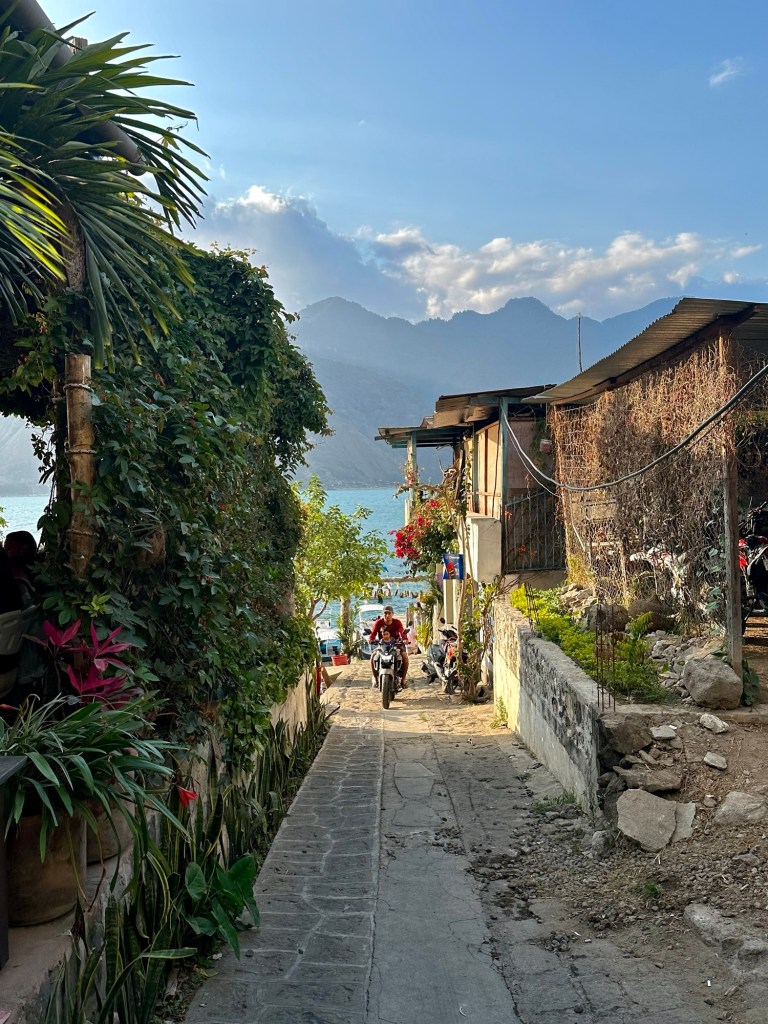
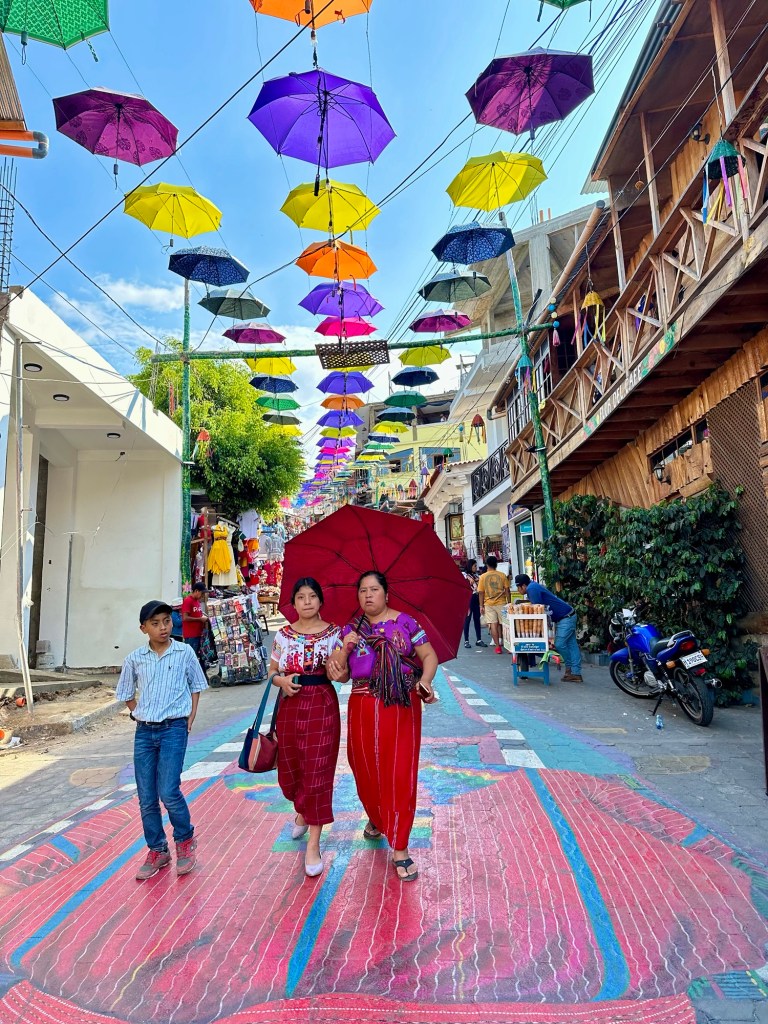
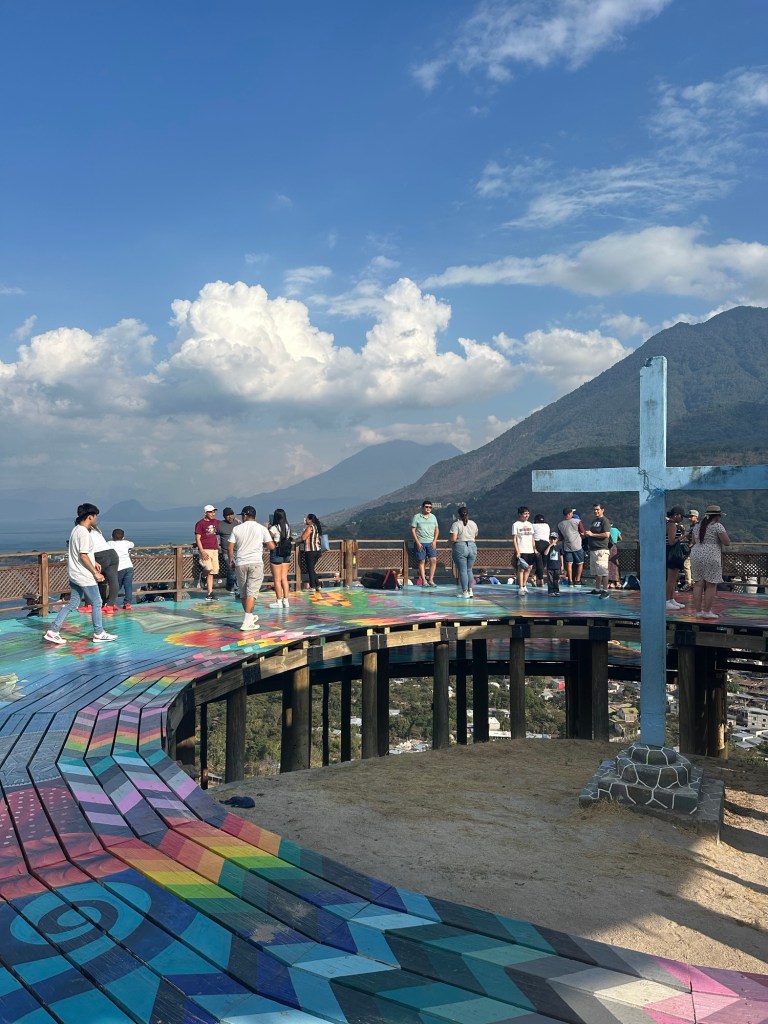
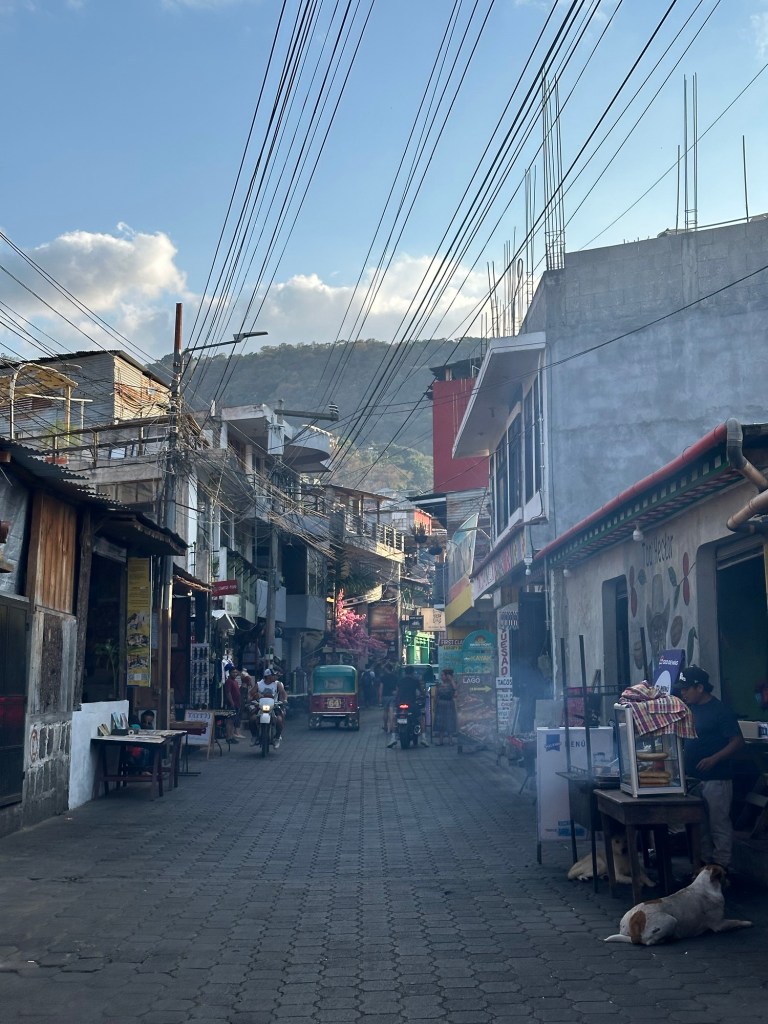
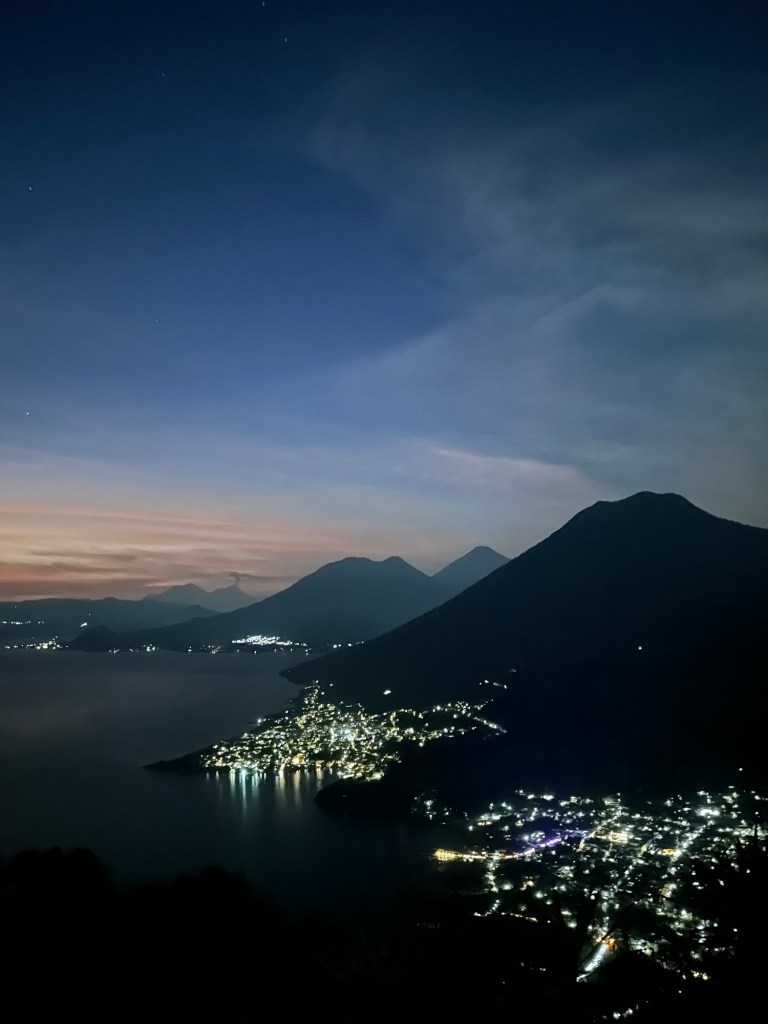
San Juan was our favorite. The main street is hilly and colorful, lined with textile shops and art studios. At the top, we grabbed a tuk-tuk that took us to the trailhead for a short hike to Mirador Kaqasiiwaan, a viewpoint with panoramic views of the lake and surrounding volcanoes. There are also several rooftops in town perfect for a drink.
One evening we went to Casa Palopó, a boutique hotel in Santa Catarina Palopó that reminded me of the Jardin Majorelle in Marrakech — cobalt blue walls, curated décor, and endless lake views. Dinner at KINNIK was phenomenal: local-meets-Italian flavors, a limoncello spritz, and a Basque cheesecake that outdid any I’ve had in Spain.
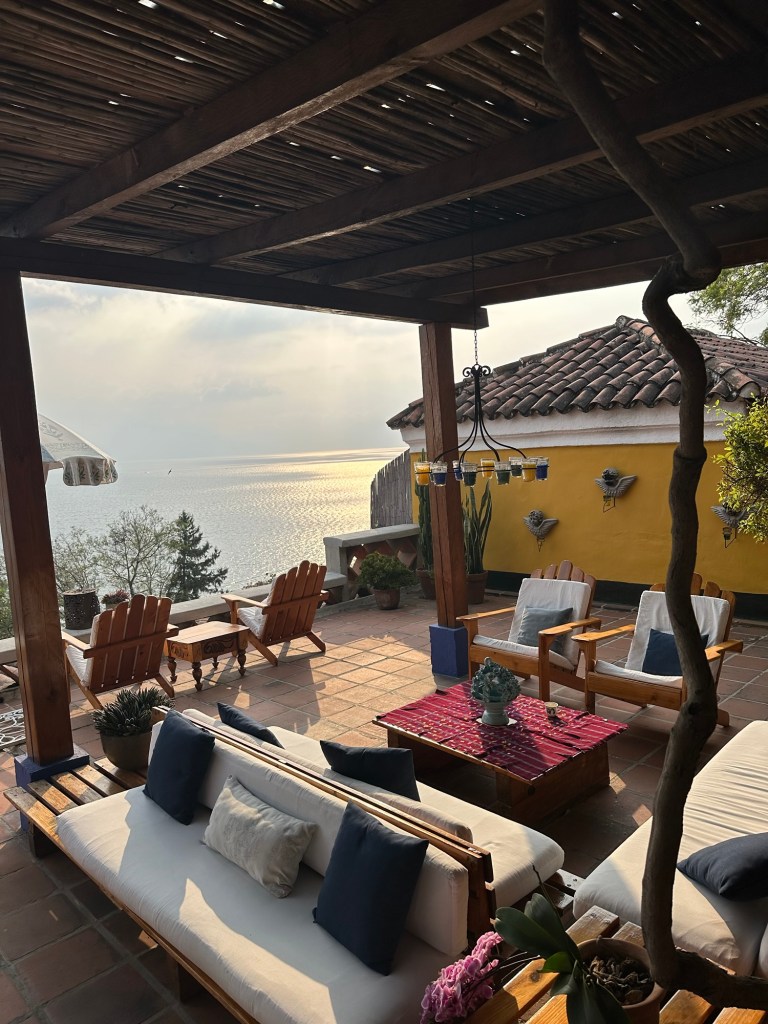
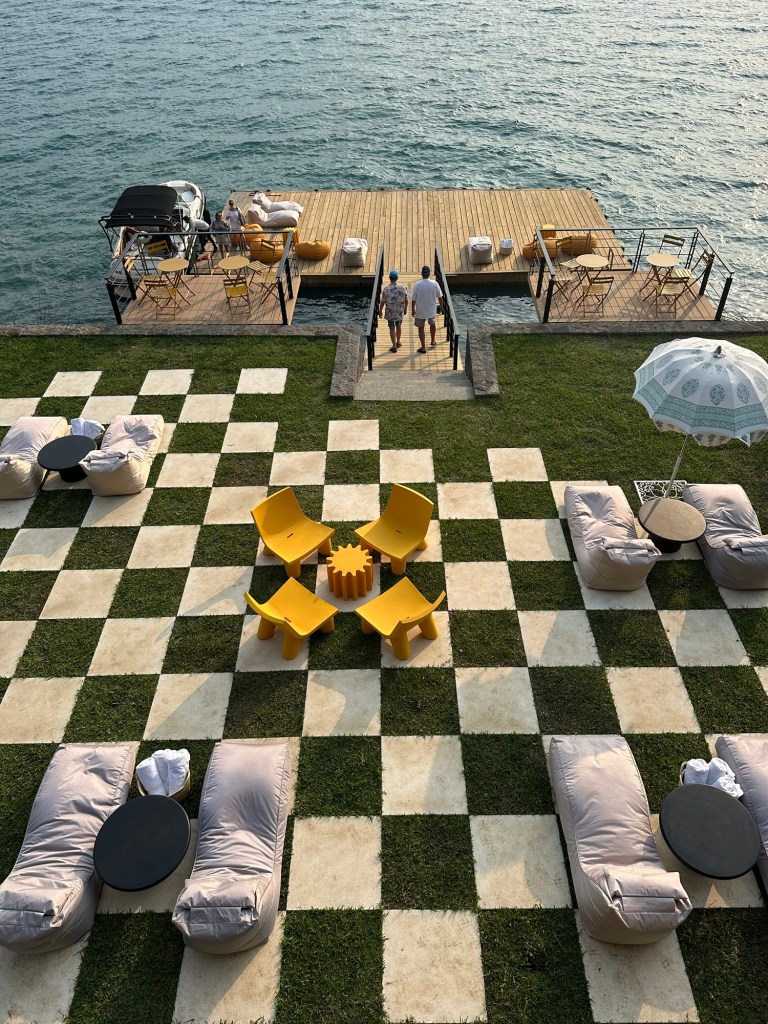
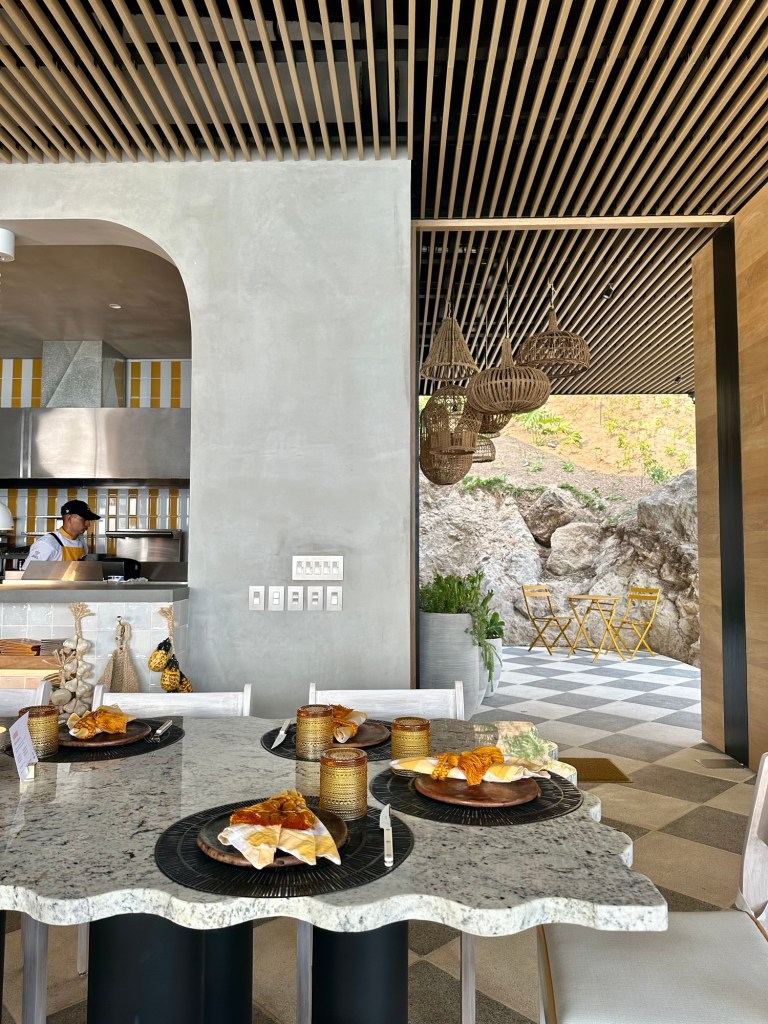
You can easily spend three to four days on the lake — swimming, kayaking, paddleboarding, or just reading in a hammock.
Day 5 — Sunrise at Rostro Maya
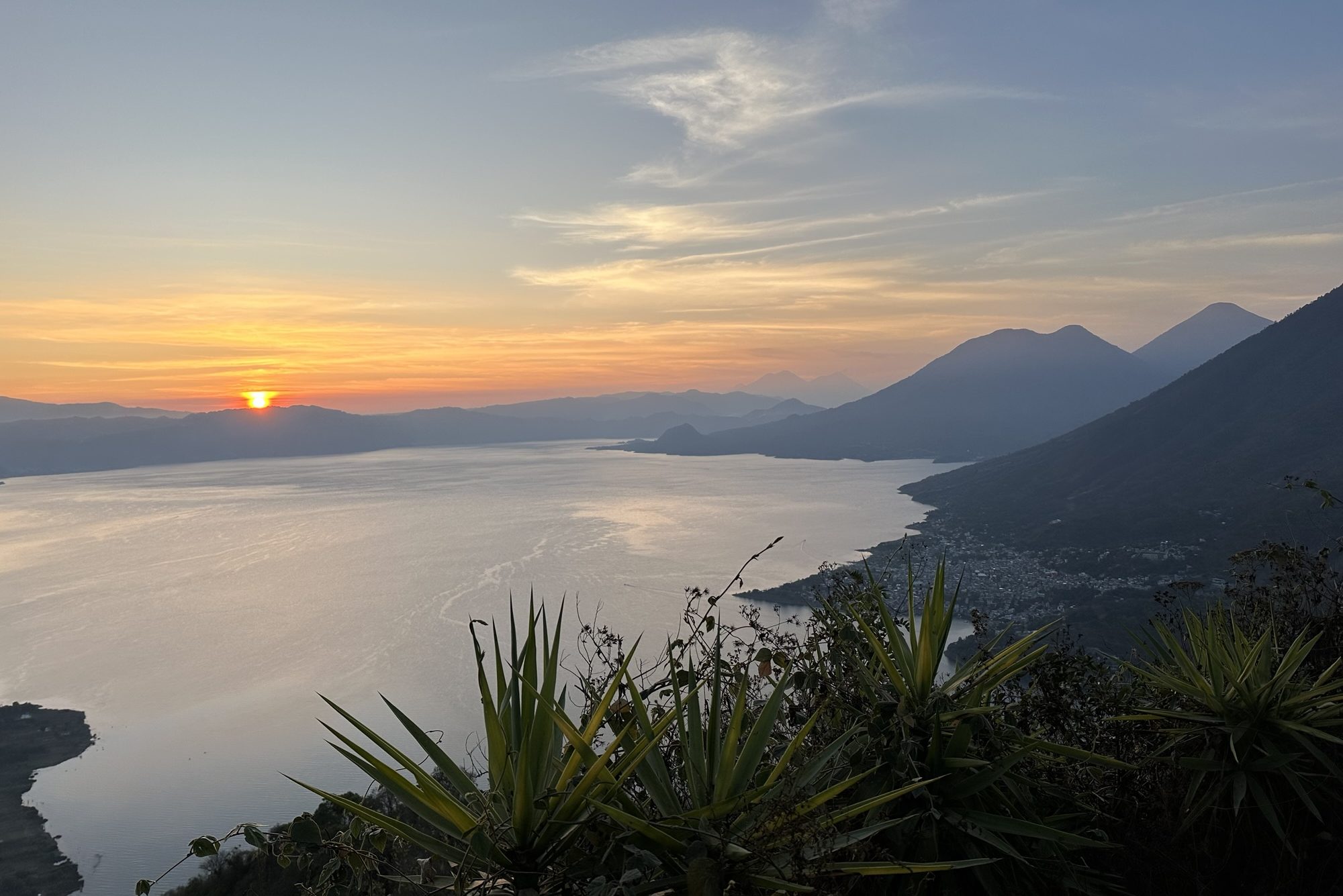
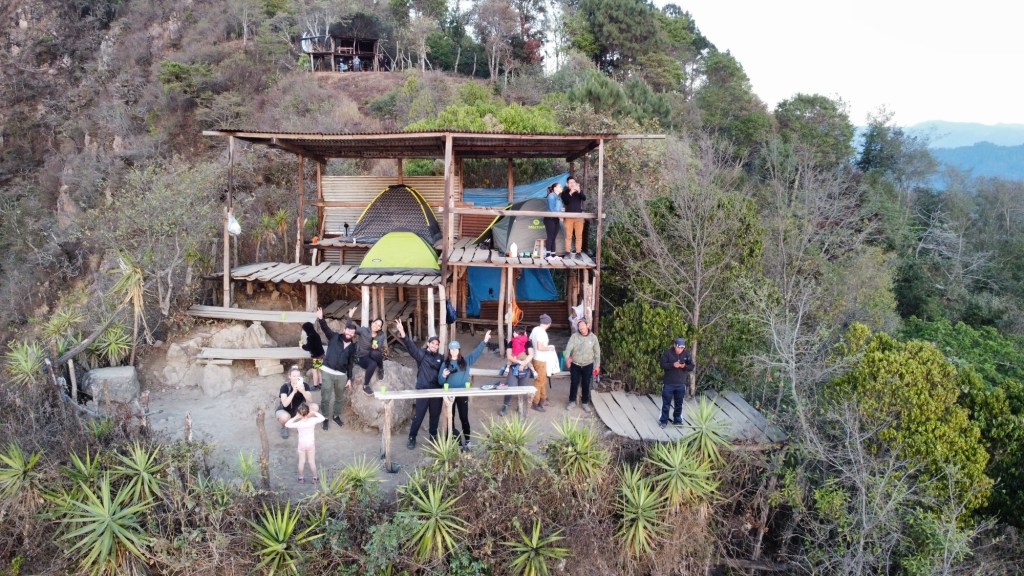
We woke up around 4:30 AM and took a boat across the lake to meet our guide in San Juan. From there, we rode in a truck to the trailhead and started the hike before dawn. The Rostro Maya trail is relatively easy and short — about 40 minutes — but it’s essential to go with a guide. Locals have created a system: if you hire someone, you’re safe; if not, there’s a high risk of theft.
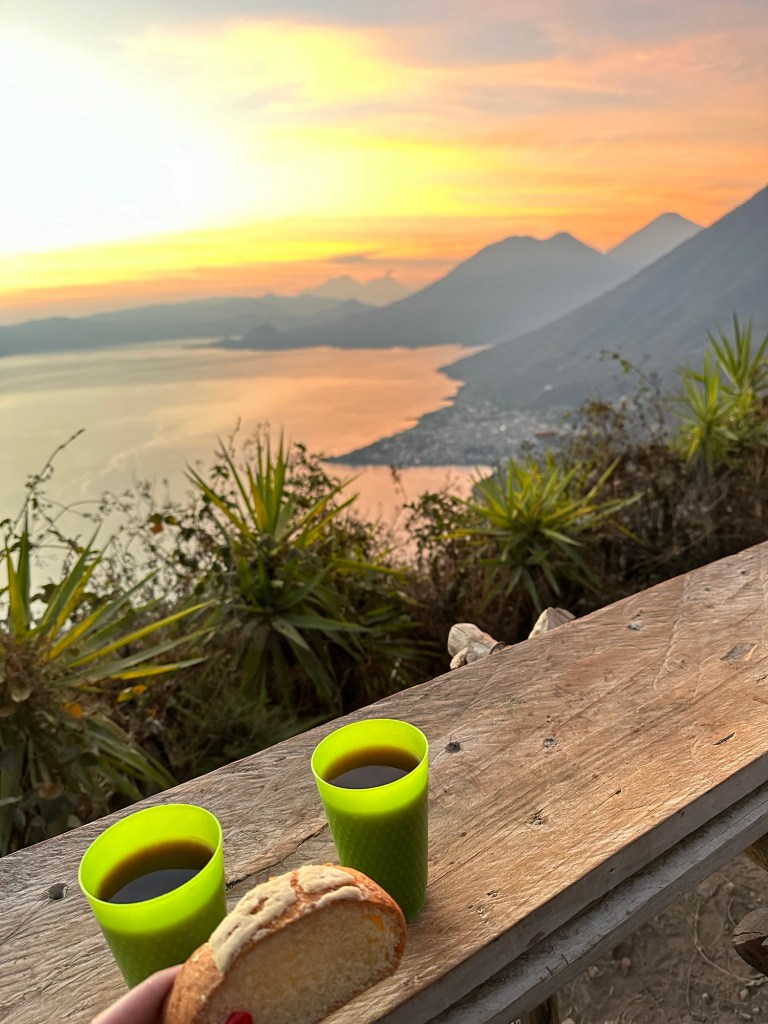
At the summit, we arrived at a wooden lookout cabin as the sky lit up pink and gold behind the volcano. Our guide brewed local coffee and passed around sweet pan dulce. Quiet, beautiful, and well worth the early start.
Days 6–7 — Acatenango & Fuego Volcano Hike
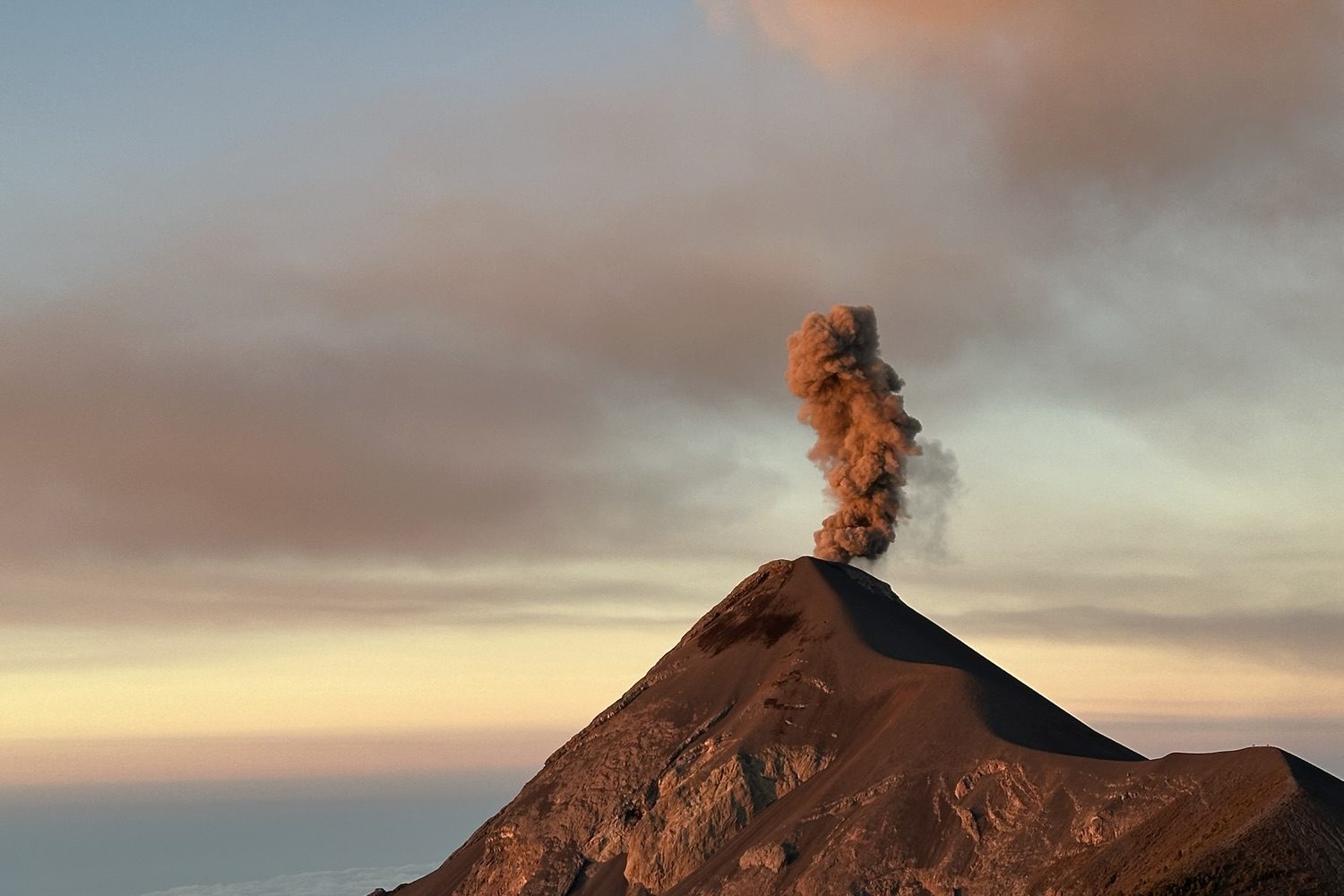
After resting for a few hours, we returned to Antigua and joined a guided overnight trek up Volcán Acatenango. It’s a 5/6-hour climb to base camp, where you sleep in tents above the clouds with a front-row view of Volcán de Fuego.
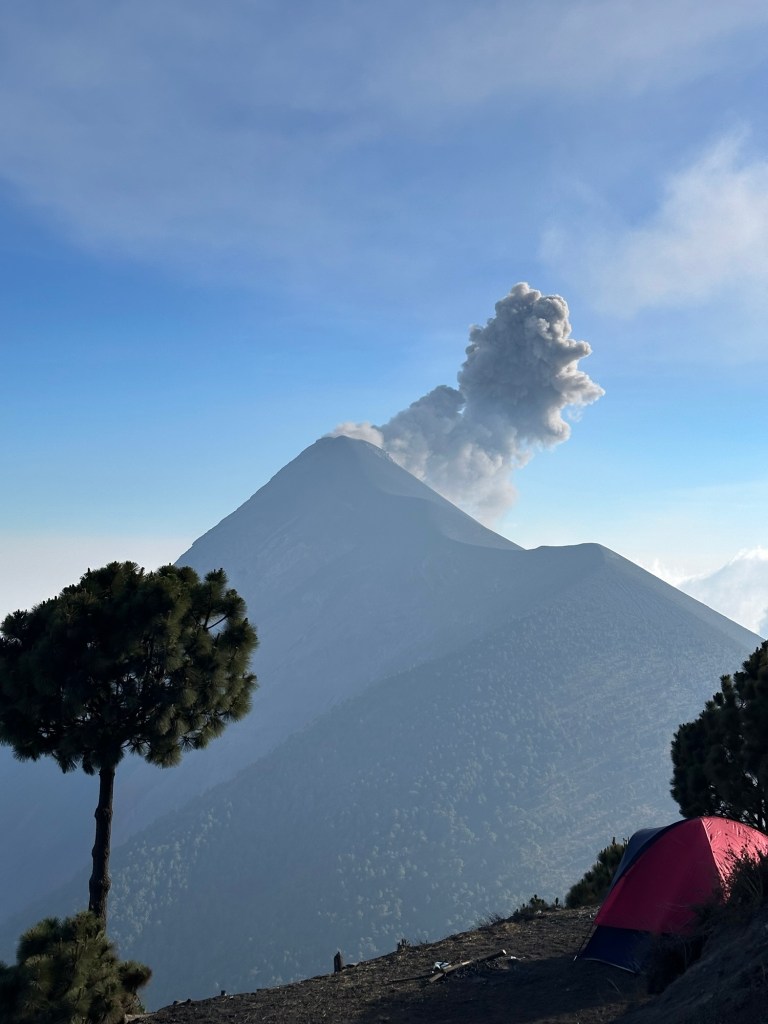
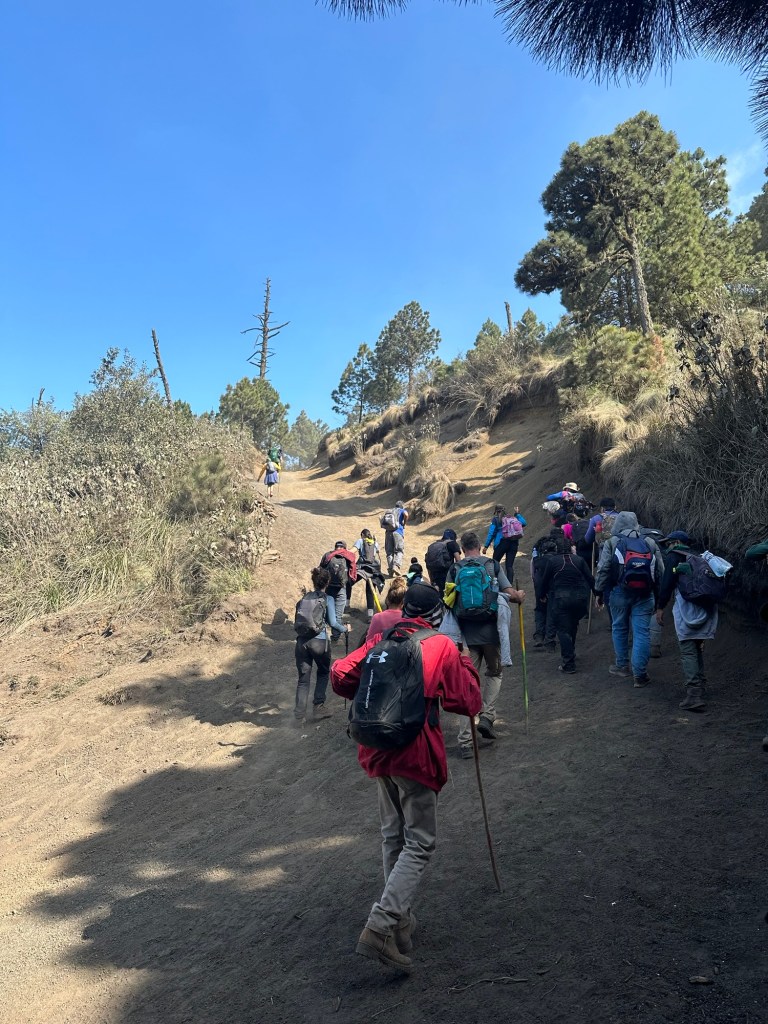
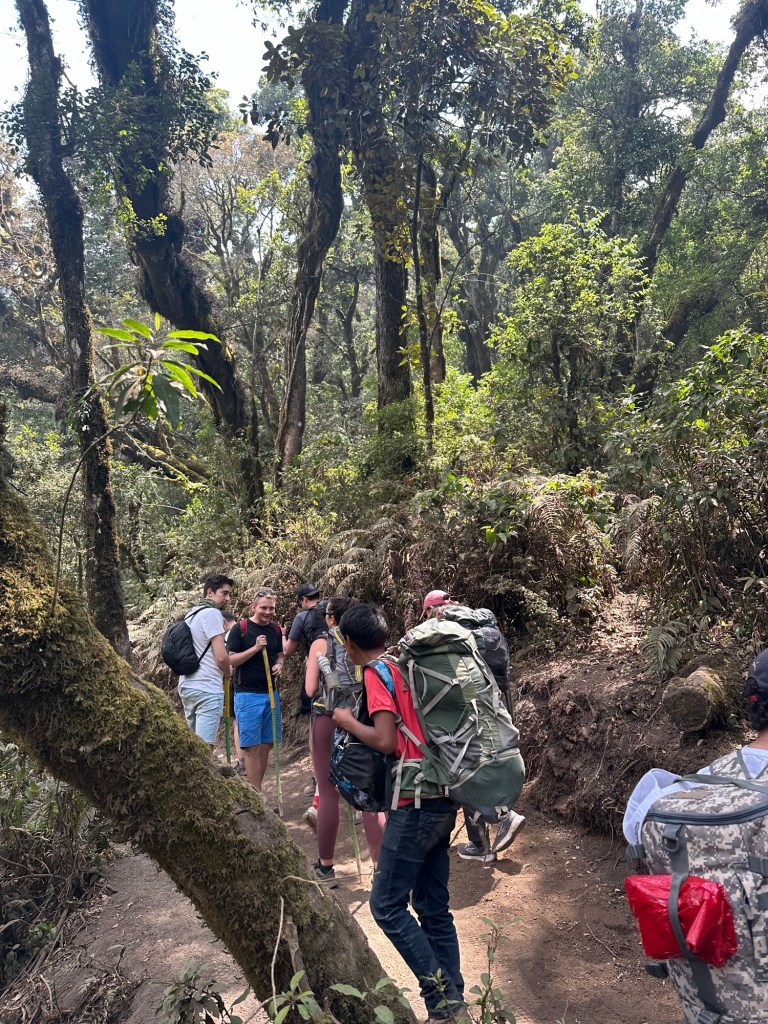
Watching Fuego erupt at night is surreal — orange lava bursts into the sky every 10–20 minutes, lighting up the landscape. If conditions are good, you can add a 3–4 hour extension to hike up Fuego itself. We decided to go, and although a strenuous hike (the last part up Fuego is the steepest) it was definitely worth the experience of being only 100 meters from the crater.
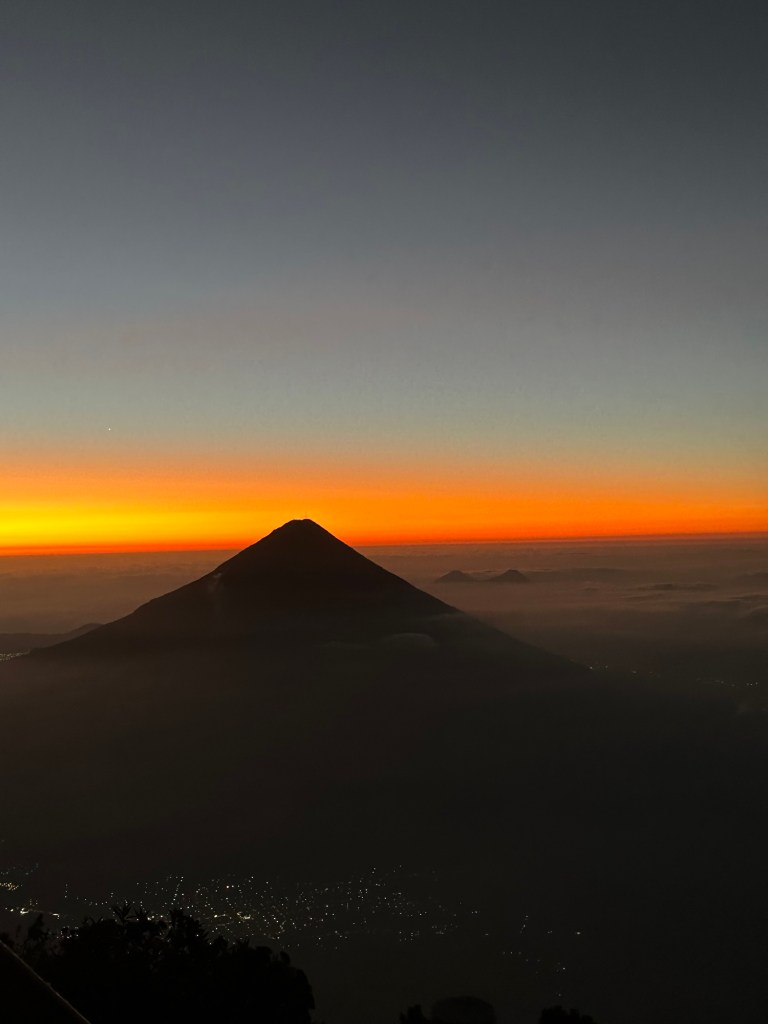
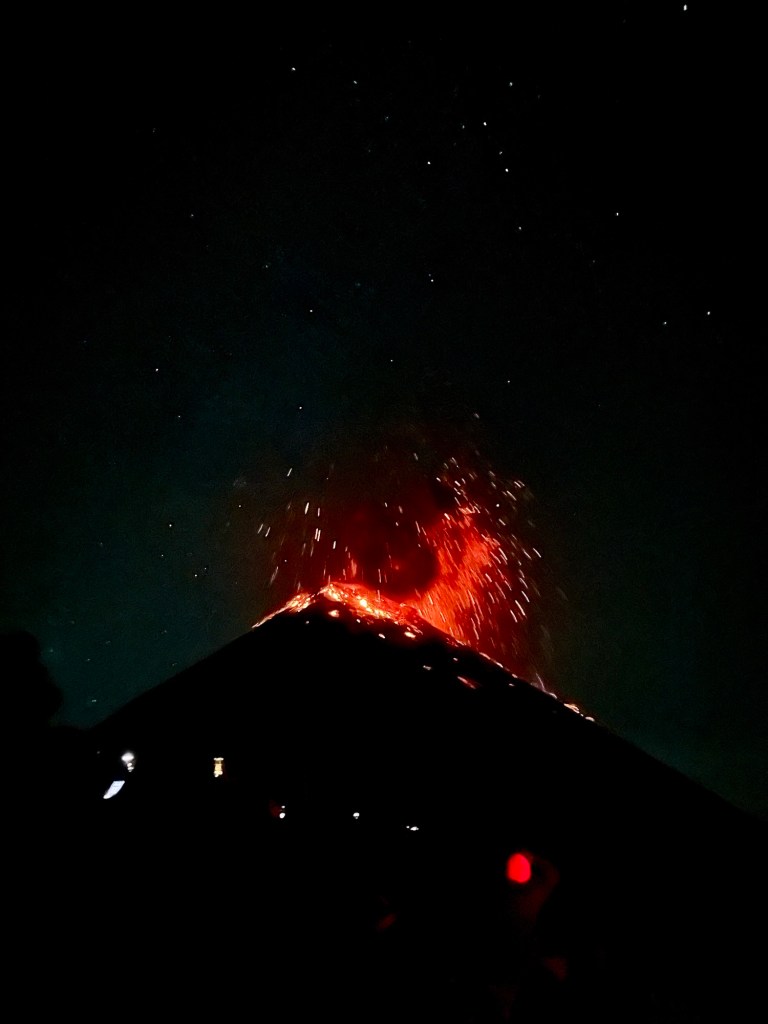
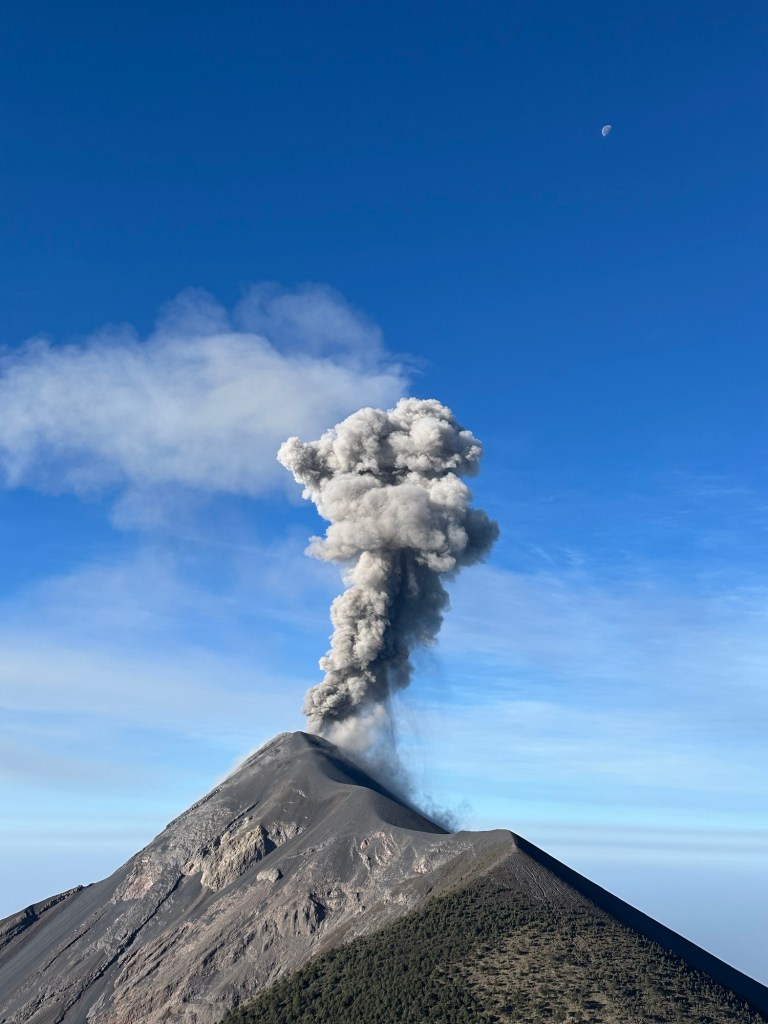
Some people do a second sunrise hike to Acatenango’s summit, but we skipped it — the views are nearly the same, and we were happily exhausted. After hiking down the next morning, we returned to Antigua, covered in dust, tired, and completely satisfied.
If you do Acatenango, block off the rest of the day to do nothing. Trust us. We booked massages, did laundry, and treated ourselves to ice cream and long showers. Antigua is the perfect place to unwind — just enough to do without needing to move too much.
Day 8 — Departure
Final coffees, packing, and the drive back to Guatemala City to catch our flight.
Absolutely! Here’s an added “What to Bring” section, with special focus on the Acatenango & Fuego volcano hike and overall Guatemala travel needs. I’ve slotted it in right before the “Final Tips” section for a smooth flow.
🎒 What to Bring (Especially for the Volcano Hike)
Guatemala’s terrain is incredibly diverse — tropical mornings, chilly volcano nights, dusty trails, and boat rides — so smart packing makes a big difference. Here’s what you really need, especially if you’re doing the Acatenango trek:
For Acatenango & Fuego Volcano Hike:
- Layers, layers, layers: It gets cold at base camp (near freezing at night).
- Thermal base layers (top & bottom)
- Fleece or insulated mid-layer
- Down or puffy jacket (water-resistant if possible)
- Windbreaker or shell layer
- Gloves, beanie, and warm socks
- Hiking shoes/boots with good grip (it’s steep and dusty)
- Headlamp (you’ll need it for the night and/or early morning hikes)
- Small daypack (some tours help you carry big bags with an extra cost, but you’ll want a light one for snacks/water/layers)
- 2L of water minimum (some tours don’t supply enough)
- Snacks with energy (nuts, granola bars, chocolate — meals are provided, but you’ll want extras)
- Sunscreen & sunglasses — even if it’s cold, the sun hits hard at elevation
- Dust mask or bandana (the trail can be dusty and dry, especially when following other hikers)
- Trekking poles (you can rent them and they help a lot on the descent)
- Power bank (if you take many pictures especially, there are no power outlets in camps)
- Cash — tips for guides, or small extras at base camps
Most tours provide:
- Sleeping bags & tents
- Meals
- Extra jackets or gear rentals (confirm in advance)
For General Guatemala Travel:
- Lightweight clothing for warm days
- A sweater or jacket for cooler evenings (especially by the lake or in Antigua)
- Swimsuit & sandals (for the lake, kayaking, beach clubs)
- Dry bag or waterproof pouch (for boat rides across Atitlán)
- Small backpack/daypack
- Reusable water bottle
- Insect repellent
Final Tips
- Bring cash for tuk-tuks, village shops, and trail fees.
- Avoid chicken buses and solo hikes — safety first.
- Skip the beaches; locals say they’re not worth it. The lake is much better.
- If you’re short on time, Tikal can be skipped — but if you haven’t seen other Mayan ruins, consider flying there.
What We Loved Most
- Colorful colonial houses of Antigua
- Watching lava spew from Volcán de Fuego
- Sunrise coffee at Rostro Maya
- Dinner at KINNIK
- Caoba Farms breakfast
- The soft colors of the lake at sunset
Guatemala in one sentence?
A country where volcanoes shape the horizon, lakes mirror the sky, and every village tells its own story.
 Boarding Beats