
Introduction
It’s december, 9pm. O and I are at our third round of red wine, celebrating her farewell to Madrid and her new adventure in the US. The decision is quickly made, a good trip is the only way to see each other. So why not meet us “half way” in Costa Rica? We buy our tickets, do some heavy research and planning and are off for our journey end of March 2022. One of the best trips of my life begins.
Words can’t describe the diversity of landscapes and fauna we encountered in this relatively small country, but most of all the incredible feeling that we were left with at the end.
In this article I share a summary of my trip. It’s the result of a lot of planning, asking friends for their experiences and making changes along the way. I decided to write this down in the hope to help anyone wanting to plan their perfect trip and getting there prepared.
Trip Summary
- Total time: 7 days
- Regions covered: Arenal (volcano & jungle), Pacific Coast (Manuel Antonio, Uvita, Corcovado)
- Season: End of March (dry season – perfect)
- Style: Self-planned, moderately adventurous, nature-focused with a few “what were we thinking?” detours
Itinerary Breakdown
Day 1 – Arrival + Drive to La Fortuna
Landed in San José around 5 PM and immediately hit the road to La Fortuna. It’s a 3-hour drive through winding mountain roads and one-lane bridges — doable, but not fun in the dark. If you’re arriving late, consider staying near the airport and driving in daylight.
Accommodation: Hotel Los Lagos Spa & Resort
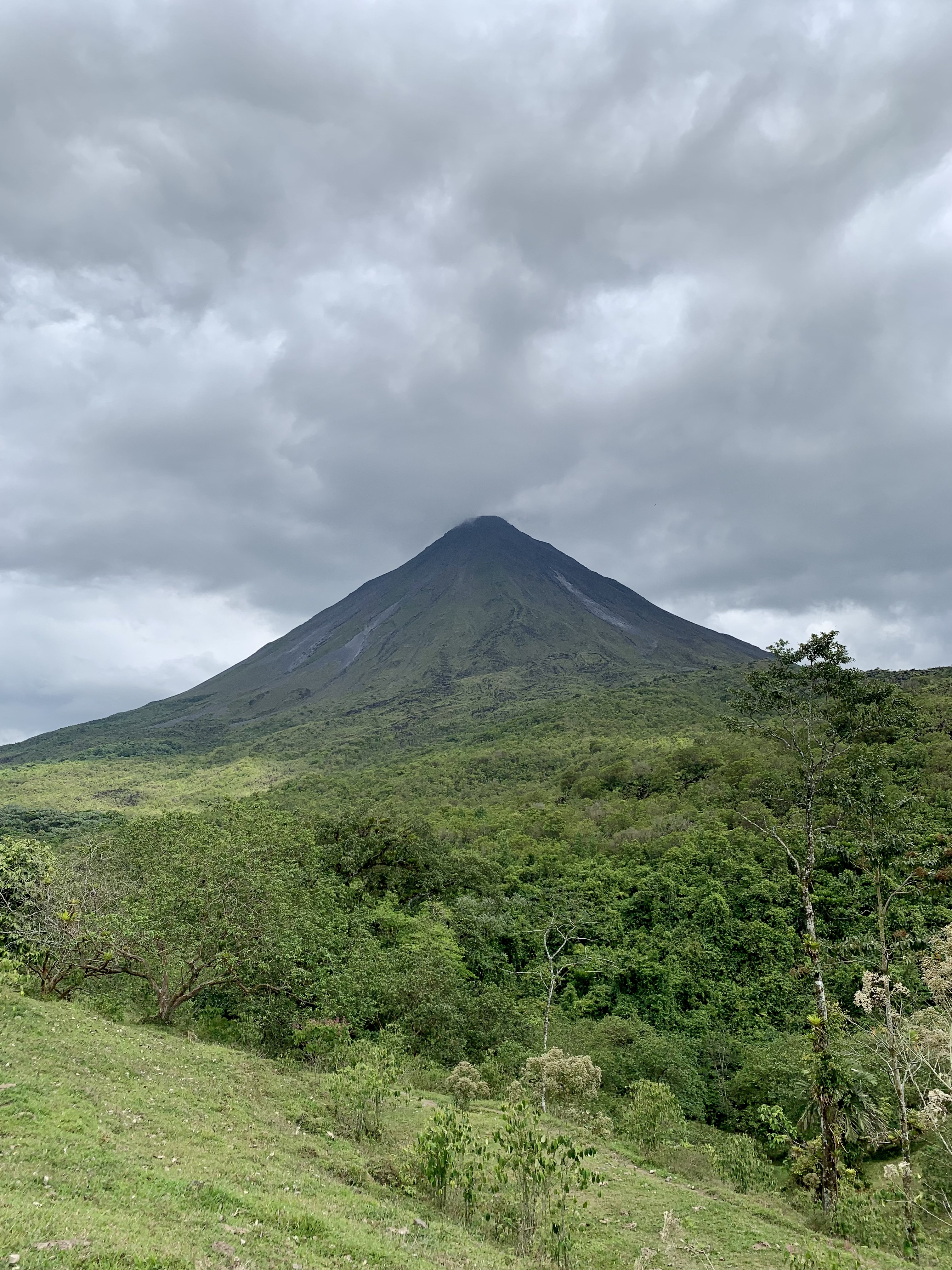
Day 2 – Arenal Volcano Region
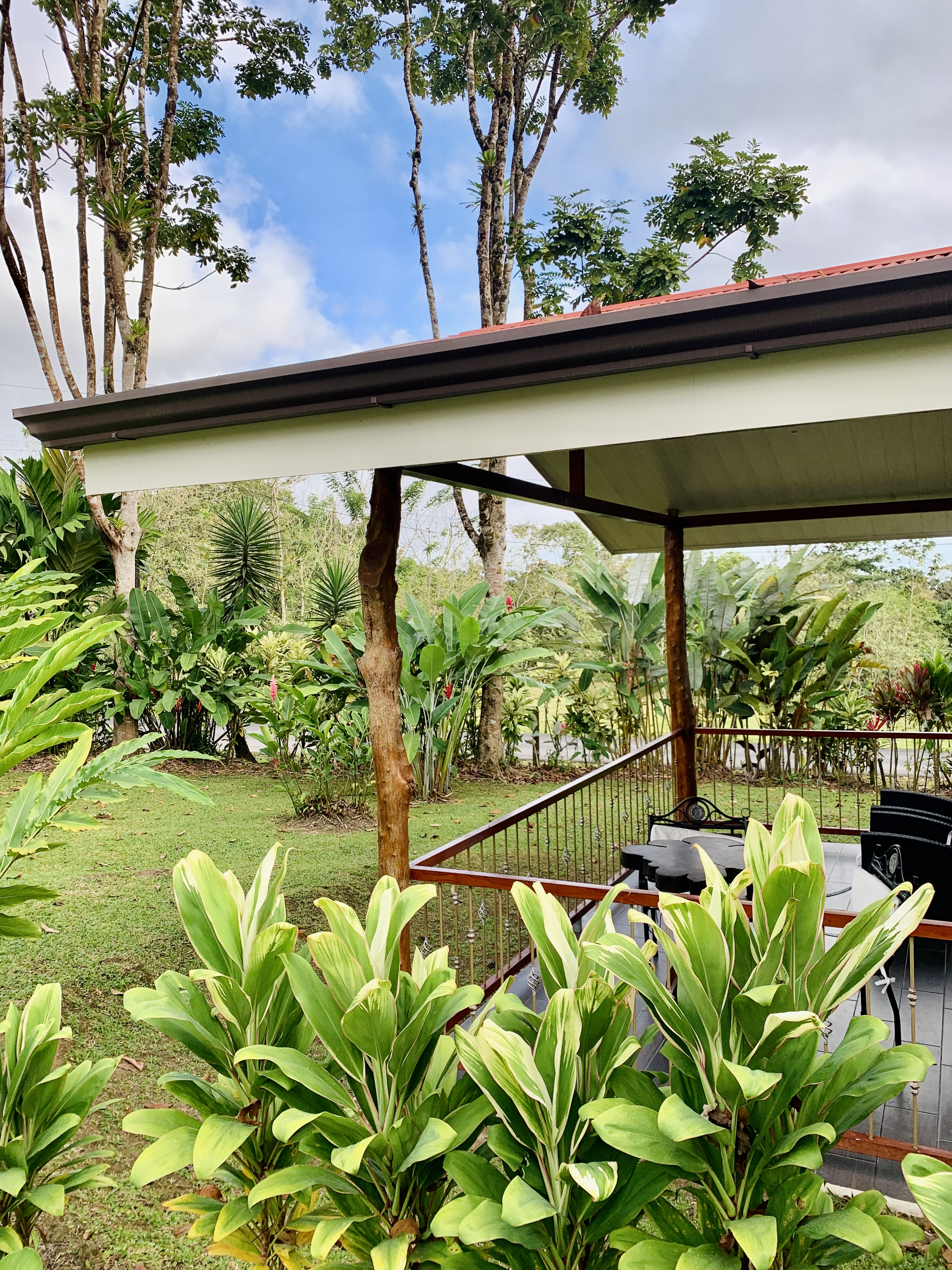
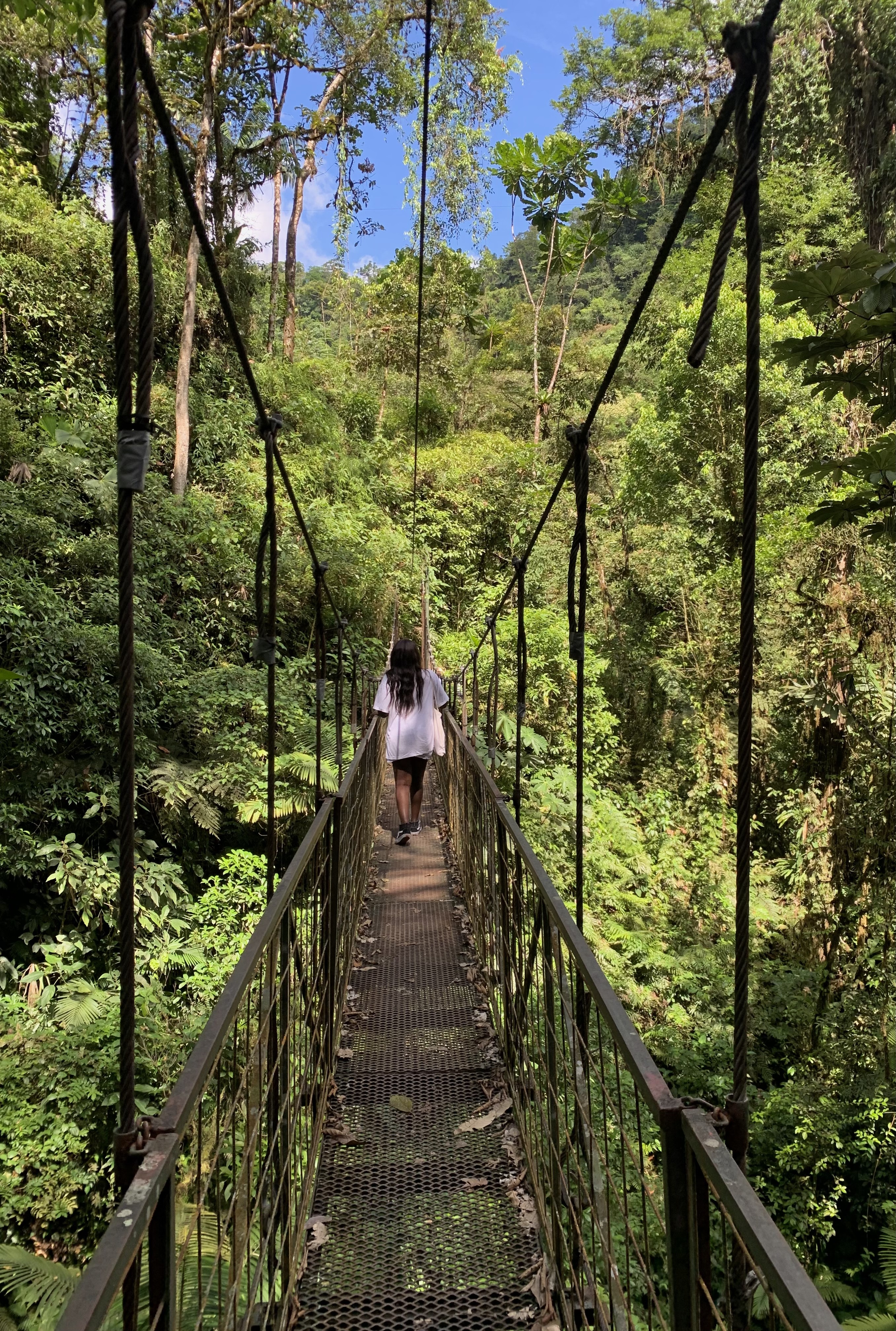
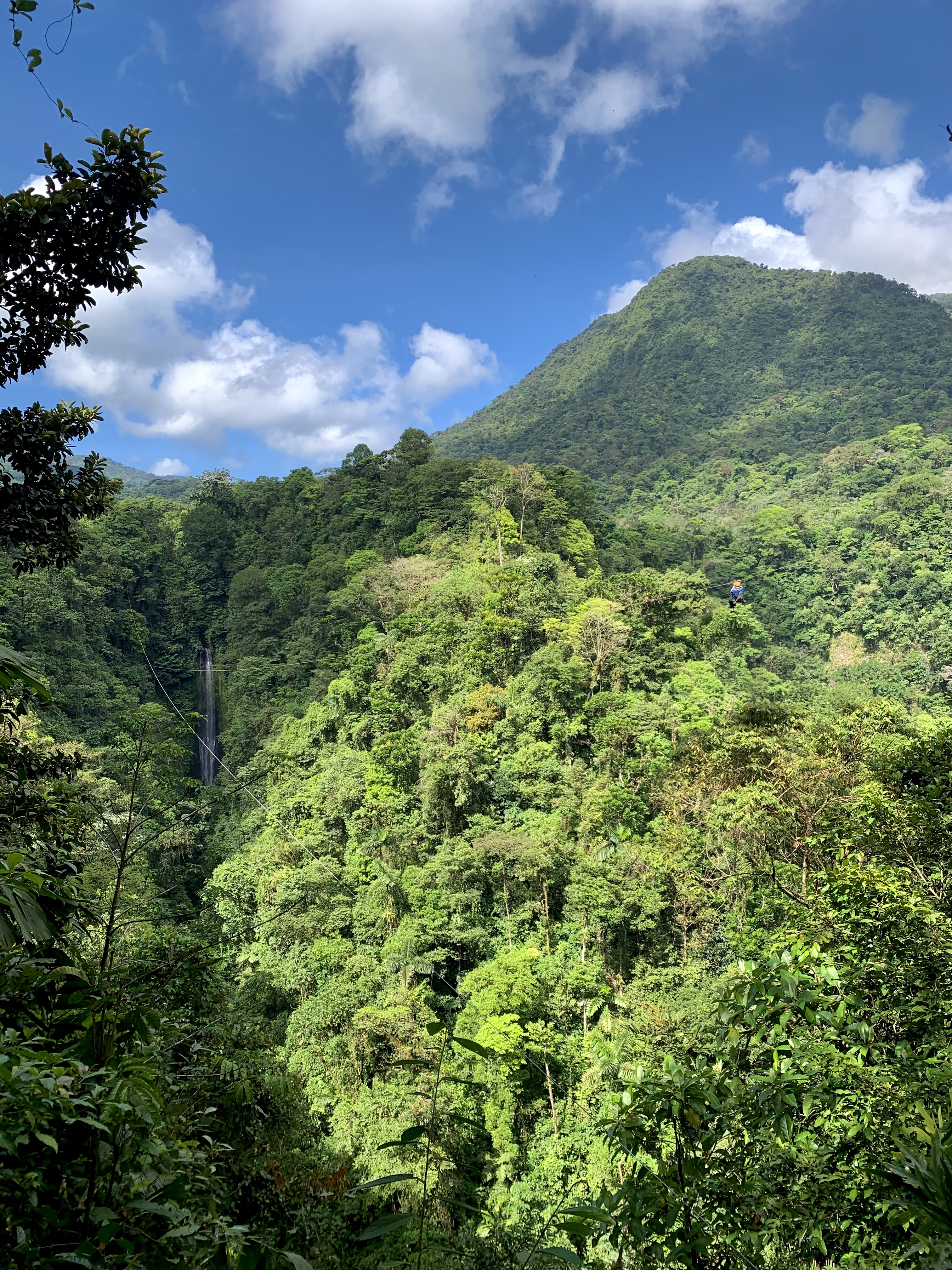
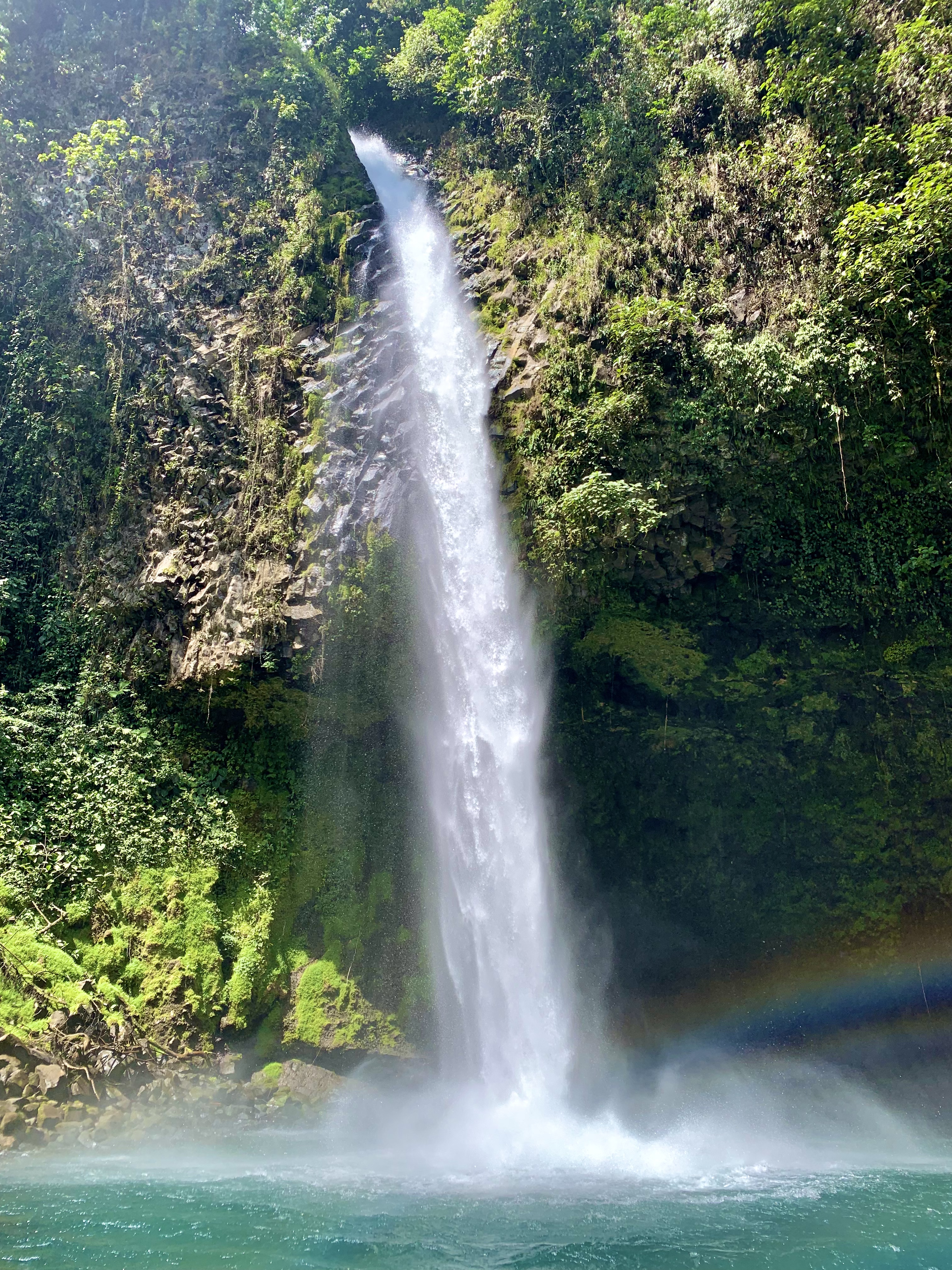
- Hike to Catarata Río La Fortuna – Gorgeous waterfall, short but steep hike
- Maleku Culture Experience – Insightful indigenous history and crafts
- El Silencio Trail – Quiet, lush, and scenic; great for spotting wildlife (with a guide!)
We took this tour to do all the above Arenal Volcano, La Fortuna Waterfall, and Hotsprings (7:30 AM, $89).

Day 3 – Detour to Guanacaste (Flamingo + Conchal) + Drive to Manuel Antonio
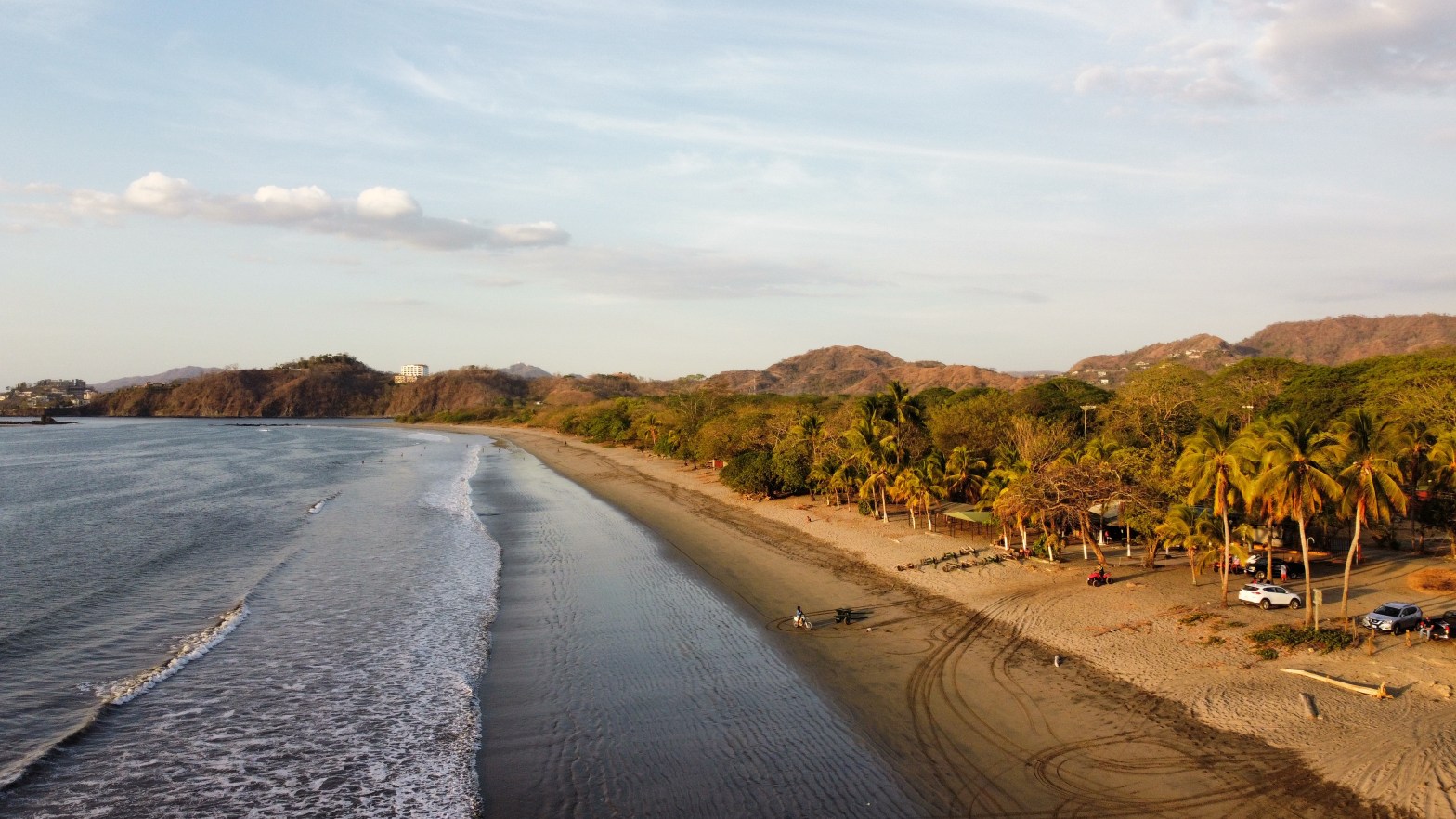
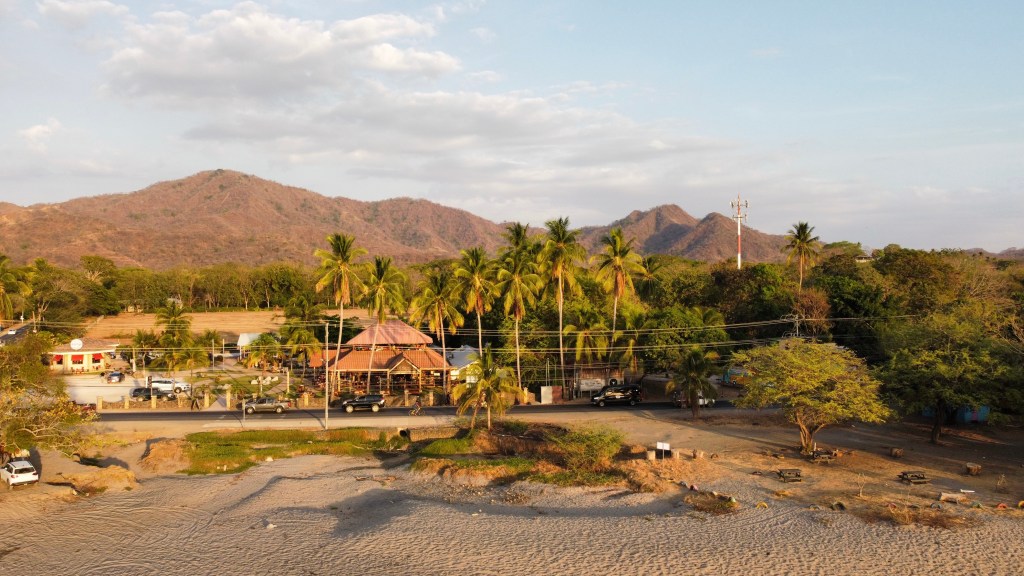
On day 3 we headed to our second destination, Manuel Antonio, but decided to take a bit of a detour to enjoy some sun and catch a sunset at the very beginning of Guanacaste. The beaches were…fine, but looking back I do not recommend the exhausting detour. Skip this unless you’re dedicating a few days to the region.
Day 4 – Manuel Antonio National Park + Catamaran Tour

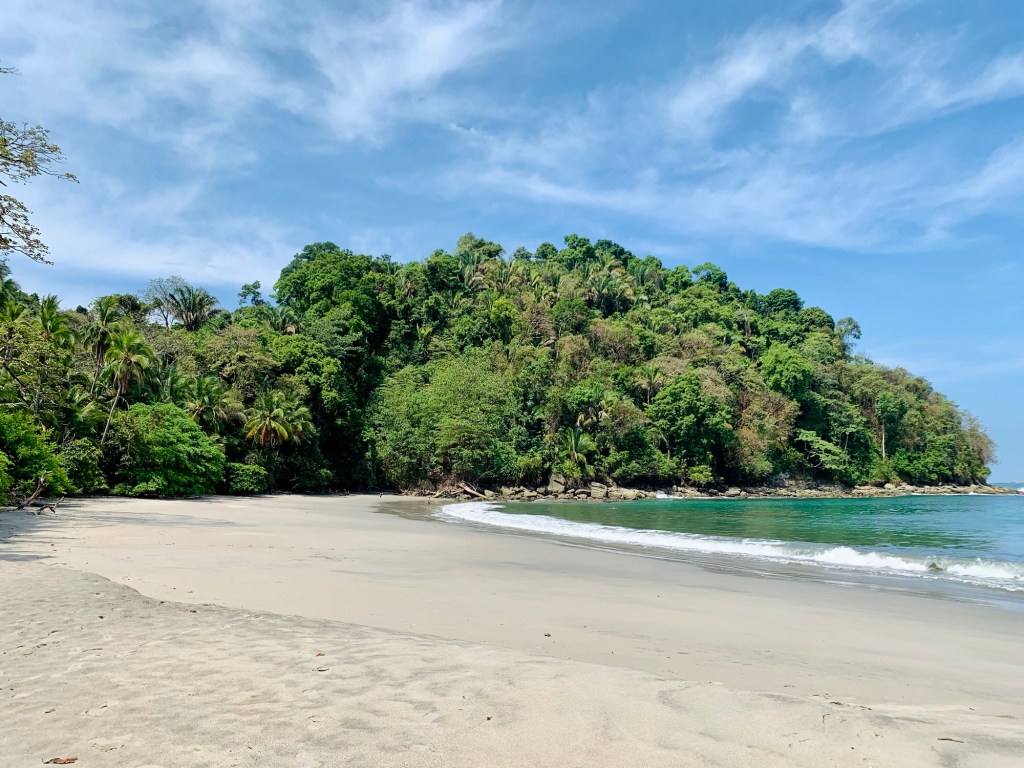
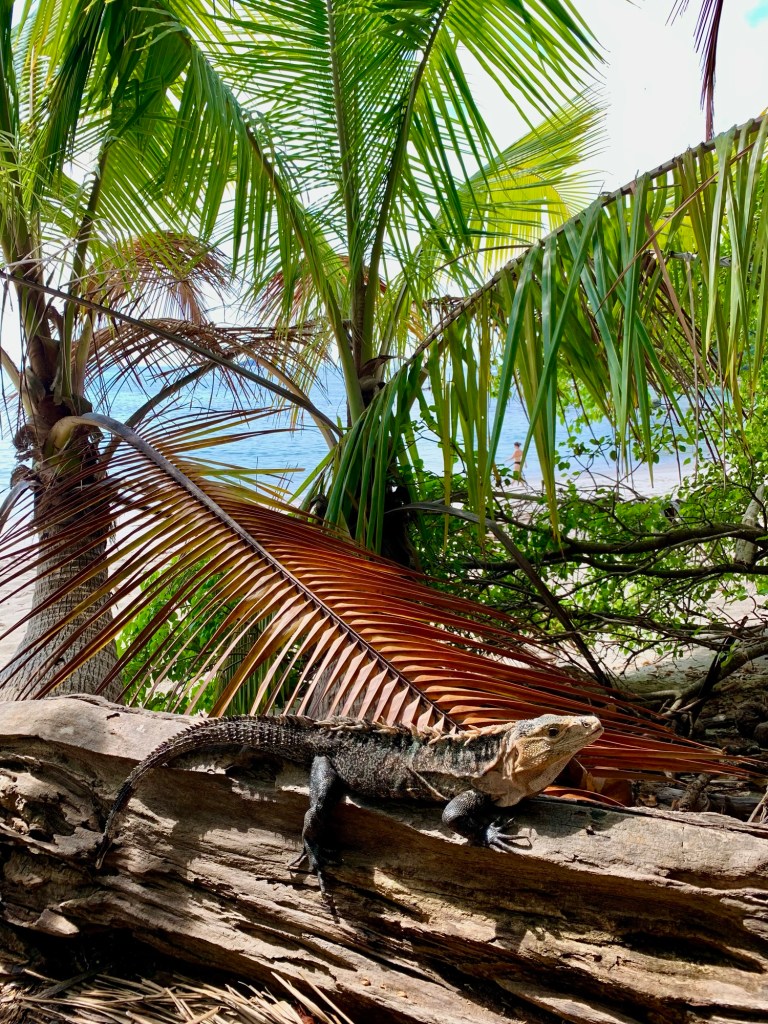
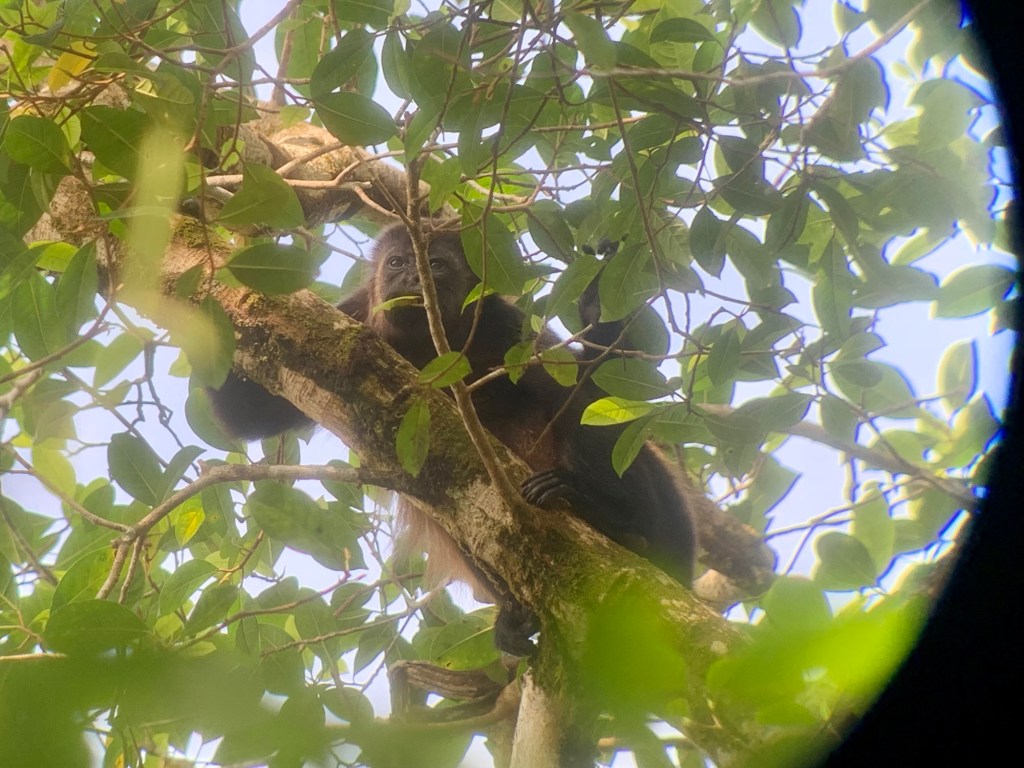
Our day in Manuel Antonio started early with a Guided Tour of Manuel Antonio National Park (7:30 AM, $60), and we’re so glad we didn’t sleep in — mornings are when the wildlife is most active. Over the course of two hours, our guide pointed out an incredible range of species, from curious monkeys to sleepy sloths, colorful toucans, and even a giant anteater rustling through the undergrowth. We also spotted countless birds and reptiles thanks to the guide’s trained eye and telescope — a real game changer.
🦥 Pro Tip: After the tour ends, you can stay in the park all day, and we recommend that you do! The trails lead to pristine beaches tucked into jungle coves — warm turquoise water, soft sand, and plenty of shade. It’s a perfect place to unwind with a swim and a snack while still immersed in nature.
In the afternoon, we switched gears with a catamaran sunset cruise (Ocean King Catamaran Sunset Tour , 2 PM, $84). The boat is large, lively, and clearly geared toward tourists — complete with music, drinks, and a slide into the ocean. While it was fun, we found it a bit crowded and would probably opt for a smaller snorkeling-focused boat next time for a more intimate experience with the coastline.
As beautiful as the area is, Manuel Antonio does lean heavily into the touristy side of Costa Rica. Beyond the national park and a few organized tours, there’s not much else to do in the town itself. If you’re looking for vibrant culture or off-the-beaten-path adventure, you may want to plan just a couple of nights here and move on to wilder regions.
Day 5 – Uvita + Corcovado National Park
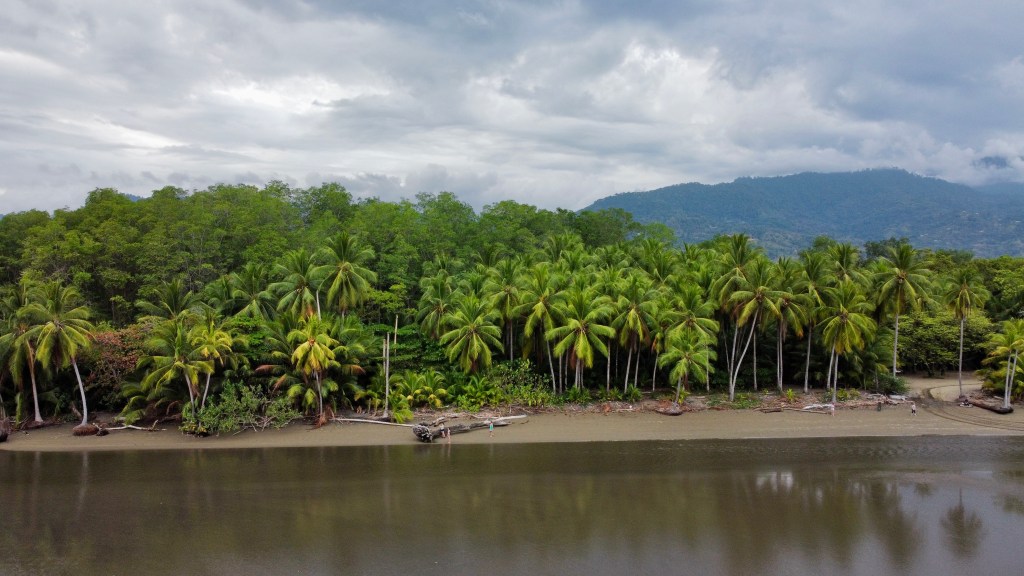
We left Manuel Antonio early in the morning and headed south to Uvita, our base for visiting the legendary Corcovado National Park. Known as one of the most biodiverse places on Earth, Corcovado is remote, raw, and absolutely worth the effort to reach.
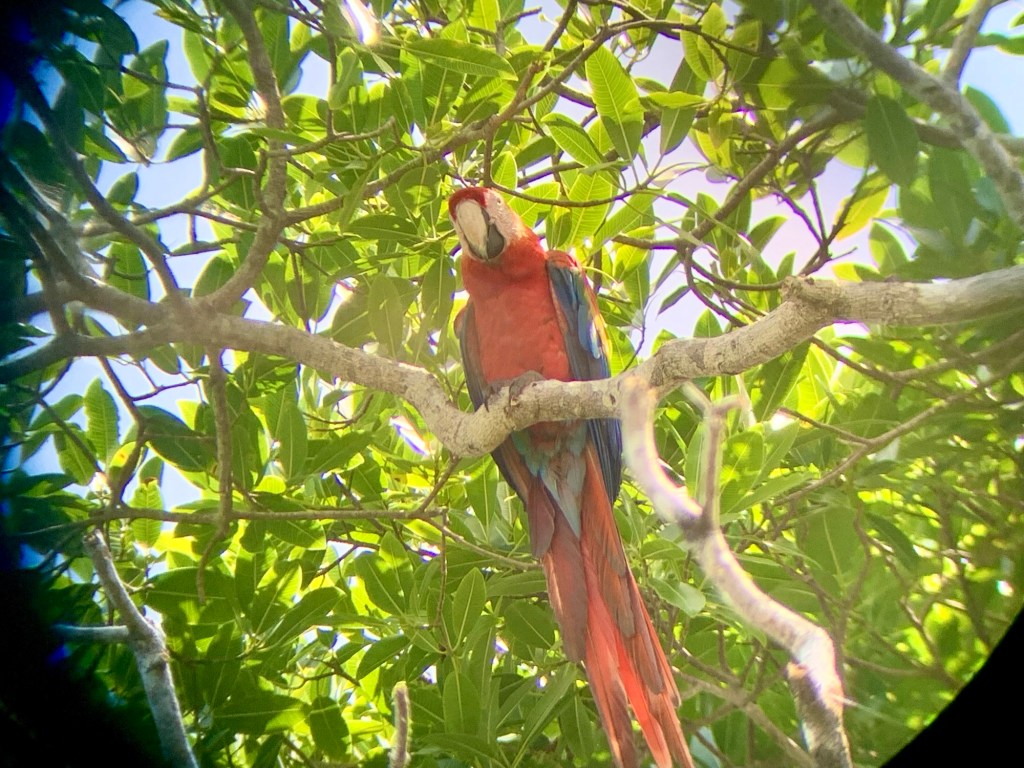
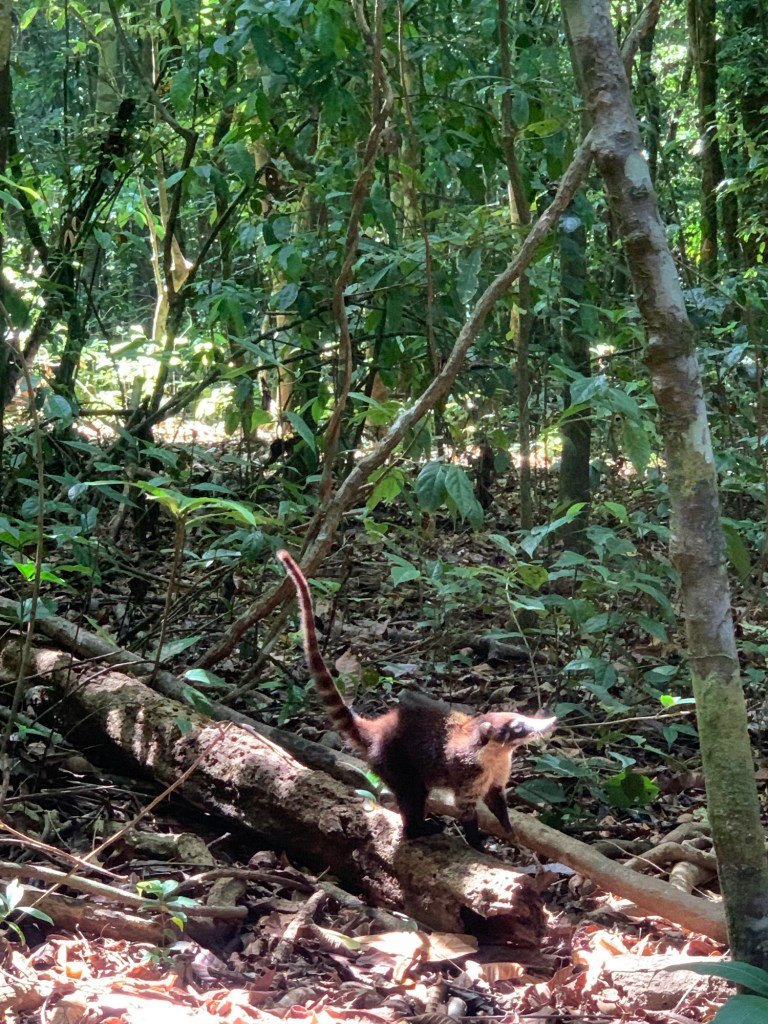
We booked a full-day guided tour with Corcovado Nature Tour, which included a boat transfer to the park entrance. Once there, we explored the jungle trails with a passionate local guide who taught us all about the unique ecosystems, vegetation, and wildlife. On our hike, we spotted coatis, crocodiles, iguanas, and an impressive variety of birds. Just days before, the group had found puma footprints — a rare and thrilling reminder that big cats still roam the area, even if sightings are elusive.
📌 Note: The only way to sleep inside Corcovado is with the park rangers, which requires advance planning and permits. If you prefer more comfort and flexibility like we did, staying in Uvita (within Marino Ballena National Park) is the perfect alternative.
On this day we left Manuel Antonio early to reach Uvita, our base to access Corcovado national park. We booked a full-day tour which brought us by boat to the national park, where we walked around with an amazing guide explaining us all about the vegatation and fauna.
Pro Tip: Before or after your Corcovado tour, take time to relax at Uvita Beach, part of the Marino Ballena National Park. It’s calm, uncrowded, and framed by untouched jungle, the kind of beach that feels like a secret.
We stayed at Oasis Uvita, a hidden eco-lodge nestled in nature and run by a warm Sebastian and Michelle. The vibe is intimate and community-oriented, with just three guest rooms and shared meals at a long patio table. The owner, Sebastian, is also a talented chef who offers dinner made with hand-picked garden vegetables and freshly caught fish, all grilled outdoors over a wood-fired barbecue. Breakfast was equally amazing: waffles with fresh tropical fruit and coffee, enjoyed while listening to the sounds of the jungle.


It was one of the most inspiring and authentic places I’ve stayed — the kind where you share stories with fellow travelers and walk away with both memories and new ideas.
Tip: Our hotel was up a steep, muddy road — had to call a 4×4 taxi. Check access before booking any accomodation.
Day 6 – Beach-hopping + Drive back to San José

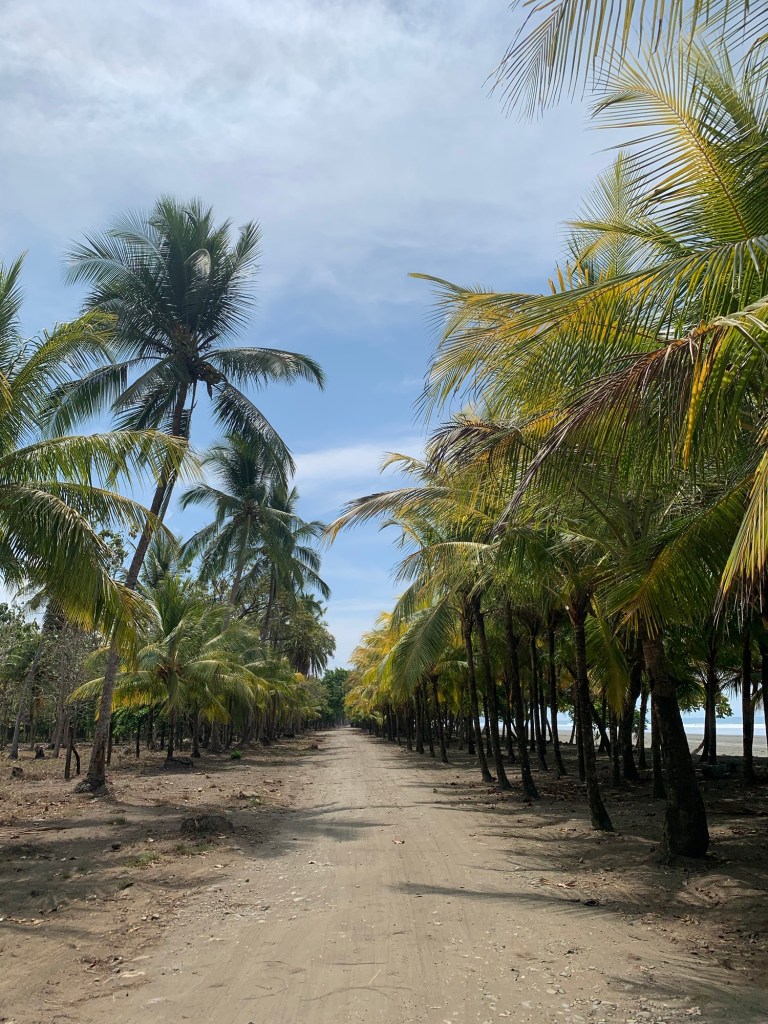

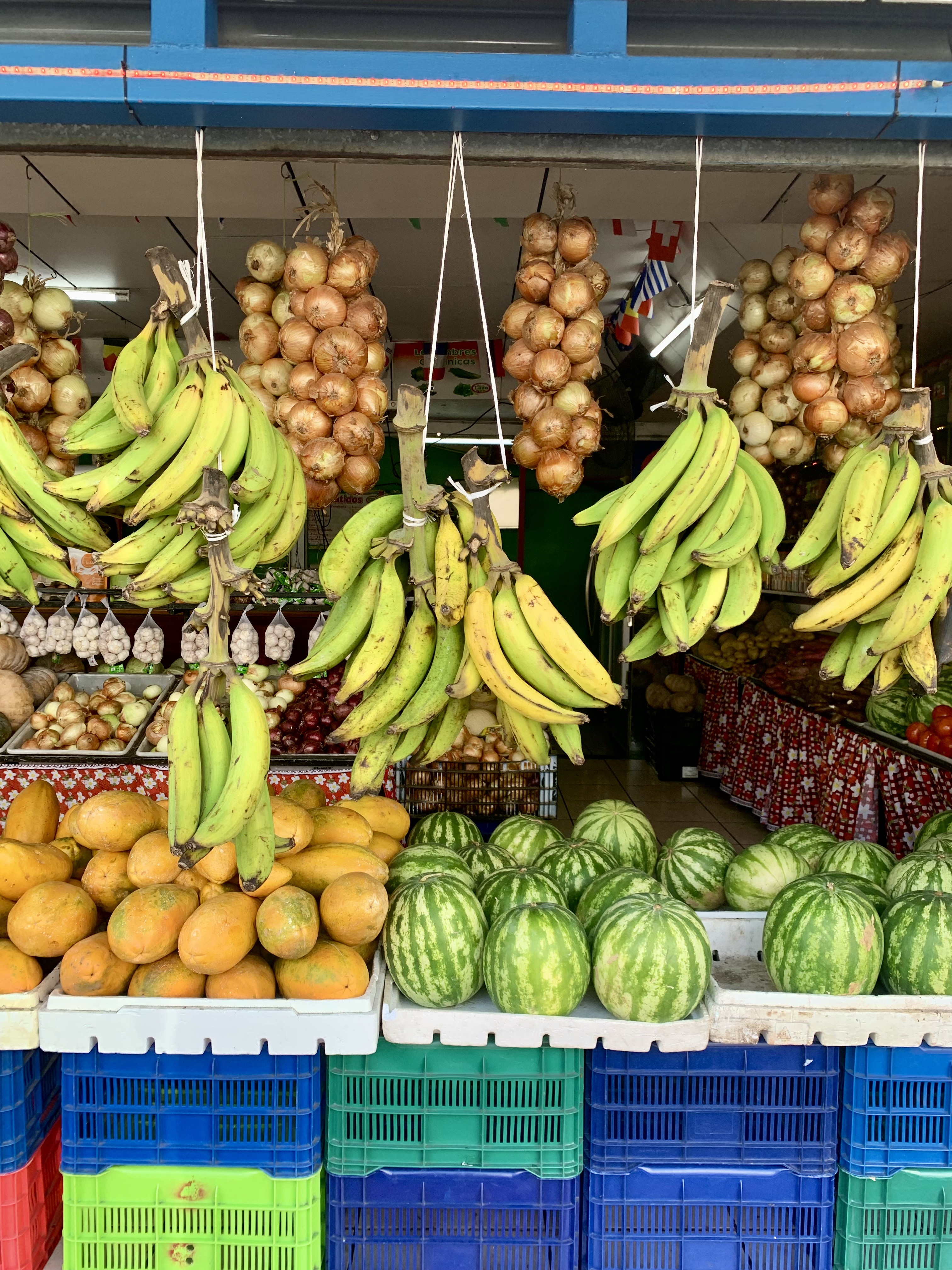
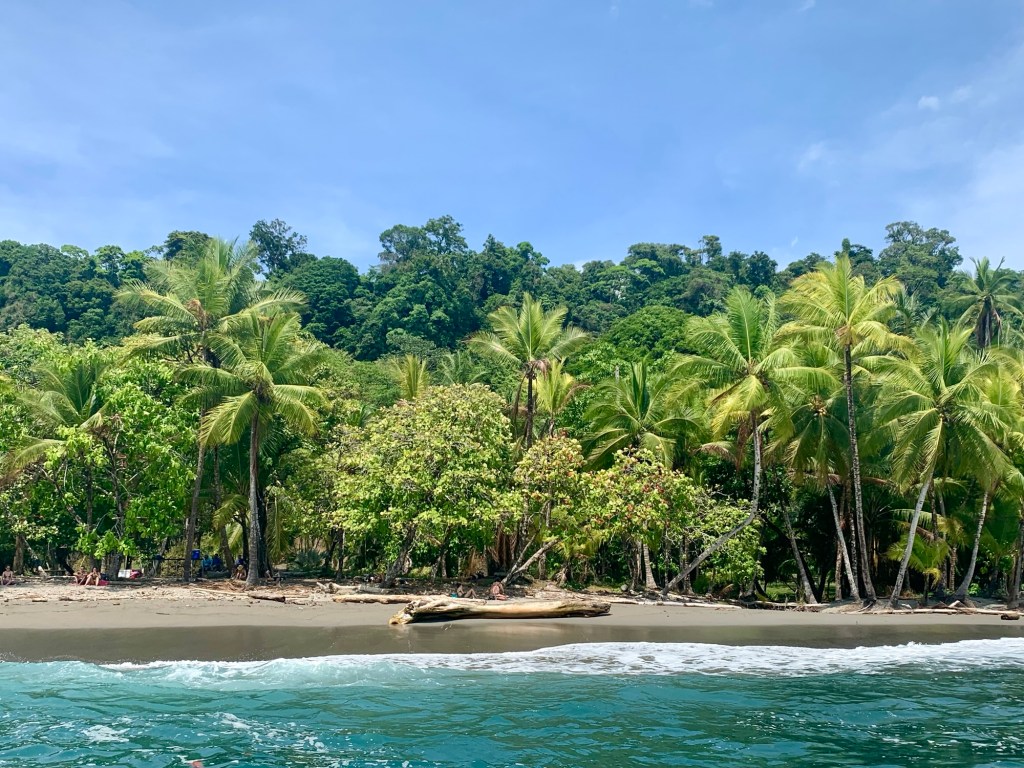
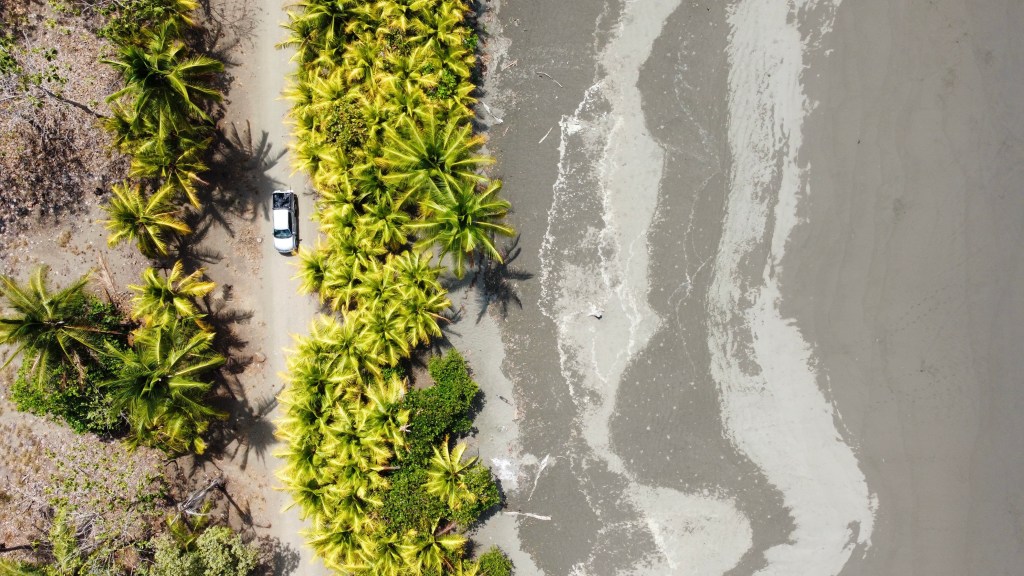
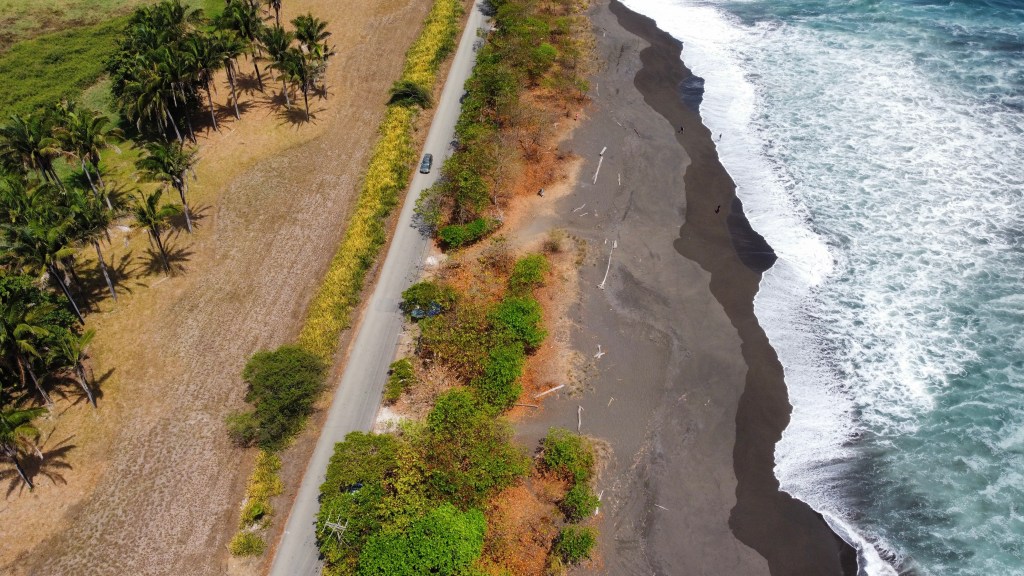
We spent this day driving back from Corcovado to San José and stopping by beautiful and untouched beaches and indulged in fresh exotic fruit from local food trucks along the road.
Beaches: Playa Linda, Matapalo, Hermosa
Stop at Río Tárcoles: Look out for crocodiles under the bridge
Day 7 – Fly Out
Early flight, but if you have time, you can squeeze in a walk around the capital’s historic center (skip the museums unless you’re a real fan).
Trip Highlights
- Guided Tours: Don’t skip them. Seriously. You’ll miss 90% of the animals without a trained eye and a telescope. Guides bring the forest to life.
- Ziplining through the canopy: Total adrenaline rush.
- Empty beaches: Ditch the popular ones — a 10-minute drive often leads to a wild, empty gem.
What I’d Do Differently
- Avoid: Driving to San José on Friday afternoons. Traffic = rage.
- Skip: Day trip to Guanacaste unless you’re staying a few days.
- Stay: Last night somewhere outside of Jaco. It’s just a stopover, not a destination.
- Catamaran: Smaller boats = better snorkeling and less crowd.
Good to Know
- US dollars accepted everywhere, but the conversion rate often sucks.
- Local restaurants & taxis prefer cash. Some cards may not work contactless.
- Dinner times are early — even tourist spots close by 9 or 10 PM.
- Budget about $100/night for a decent double room, often with breakfast.
- Get to national parks early — it’s when the animals are most active.
- Always check if you’ll need a 4×4 for your accommodation or park entry.
What to Pack (That You Might Forget)
- Binoculars – Game-changer for spotting wildlife
- Insect repellent (or bracelets) – Mosquitoes will find you
- Waterproof camera or phone case – For waterfalls and beaches
- Zoom lens for your camera – Sloths don’t pose close up
- Water shoes – Rocky rivers and tide pools await
- Hat & Sunglasses – You’ll live in them
Final Thoughts
Costa Rica is wild, rich, unpredictable — and impossible to summarize. We barely scratched the surface in a week, but it was enough to fall hard for its beauty. Whether you’re hiking in the cloud forest, watching the sun set over an empty beach, or trying to pronounce “Pura Vida” without sounding like a tourist — this place sticks with you.
Go prepared. Go early. Go with a guide. And when in doubt: take the dirt road.
 Boarding Beats